
AI Support Agent: Fix 'No Connection' in Minutes
Discover how an AI support agent automates Level 1 ISP troubleshooting. From remote diagnostics to instant ticket creation, resolve connection issues fast.
- AI for ISPs
- Customer Service
- Process Automation
- Telecom AI
- Tech Support
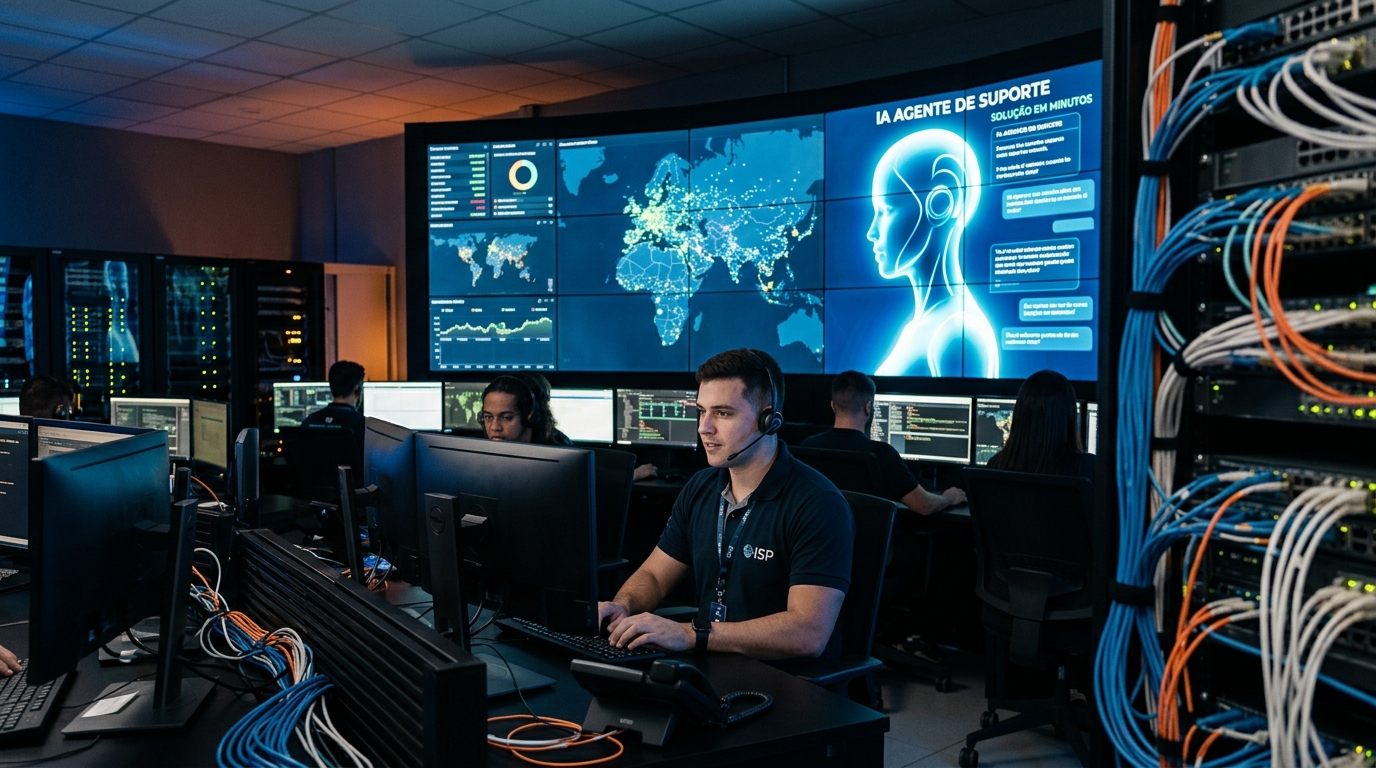
Every regional ISP knows the familiar drill. A customer sends an angry message complaining, "I have no connection." Instantly, your human team drops what they are doing to ask the exact same basic troubleshooting questions.
But what if a smart support agent could handle this instantly? By leveraging AI for customer service, you can automate this entire Level 1 (N1) troubleshooting process.
From identifying the core issue to resolving it in minutes, artificial intelligence completely changes the telecom game. Let's explore how this technology turns a frustrated, offline subscriber into a satisfied, loyal customer.
The Heavy Burden of Manual ISP Triage
When your call center gets flooded with offline alerts, operational chaos usually ensues. Human operators waste countless hours on basic triage instead of solving complex, structural network issues.
This unnecessary delay frustrates customers and severely overloads your technical team. A smart support triage system eliminates this bottleneck entirely.
By deploying a virtual assistant, you ensure every single message gets an instant, accurate response, day or night. Your team is freed from repetitive tasks, and your customers never wait in a queue.
Step-by-Step: Diagnosing 'No Connection'
When a user reports an internet outage, the AI does not just send generic, unhelpful replies. It initiates a dynamic conversational flow tailored to that specific customer's profile.
Here is how the automated N1 diagnostic process works in practice for a modern ISP:
- Account Verification: The AI seamlessly identifies the customer via their phone number or national ID.
- Mass Outage Check: It instantly verifies if there is a known area-wide blackout or maintenance window.
- Equipment Status: The bot pings the router or ONU directly via API to check for active connections.

Remote Network Checks and Integrations
If the connection is genuinely down, the AI performs a comprehensive remote diagnostic. It checks optical signal levels, billing status, and hardware uptime directly through your ERP integration.
If it spots a simple glitch—like an IP conflict or a frozen router—it guides the user through proper reset instructions. No more frustrating "did you unplug it?" asked manually by a human.
This level of intelligent support resolves a massive percentage of calls without any human intervention. The bot handles it with infinite patience and technical precision.
The Power of a Smart Decision Tree
A successful virtual assistant relies entirely on a well-structured, telecom-specific decision tree. This underlying logic dictates exactly how the bot reacts to different diagnostic results.
For example, if a customer is blocked due to unpaid bills, the bot automatically sends a payment link or Pix code. If the ONU is completely offline, it prompts a physical fiber cable check.
This structured, methodical approach means your customer service agent only escalates real, complex problems to your human staff.
Preventing Unnecessary Truck Rolls
One of the biggest hidden costs for regional ISPs is the unnecessary truck roll. Sending a technician to a house just to plug a router back into the wall destroys your profit margins.
By forcing the customer through a guided, AI-driven diagnostic flow, you eliminate these false alarms. The financial savings alone often pay for the AI software in the first month.
| Feature | Human N1 Support | AI N1 Support Agent |
|---|---|---|
| Response Time | Minutes to Hours | Instant (Seconds) |
| Simultaneous Chats | Limited (3 to 5 max) | Unlimited |
| Diagnostic Accuracy | Prone to human error | 100% data-driven via API |
| 24/7 Availability | Expensive shifts required | Always on, no extra cost |
Ticket Creation and Seamless Escalation
Of course, not every issue can be fixed remotely. Sometimes, a fiber drop is genuinely broken, or a router is physically fried. That is when the AI steps back gracefully.
The bot handles the formal ticket creation automatically inside your management system. It securely logs the entire conversation, diagnostic results, signal levels, and customer details.
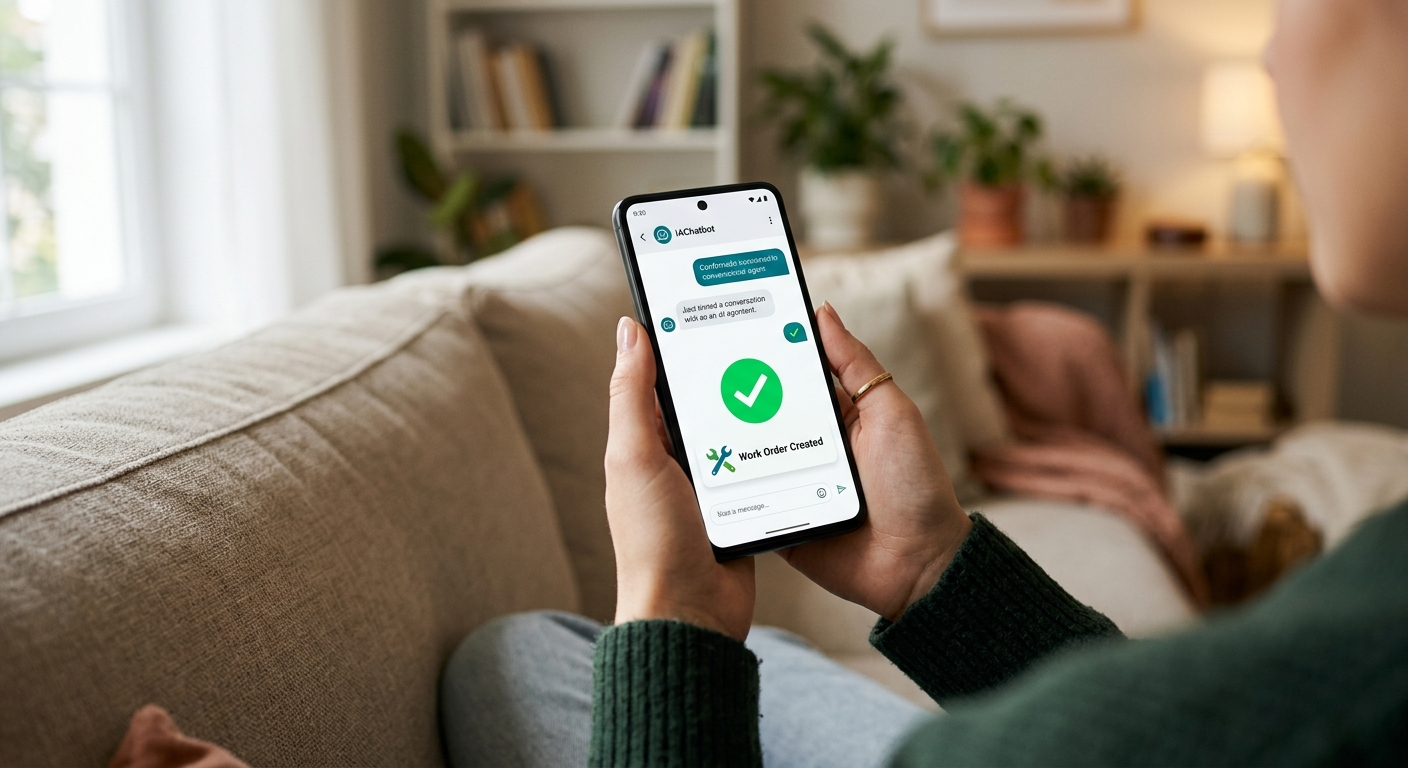
When the human N2 or field technician takes over, they already know exactly what is wrong. The customer never has to repeat their frustrating story, drastically improving the user experience.
This seamless handoff boosts your overall operational efficiency, ensuring your highly-paid technicians spend their time fixing networks, not interviewing customers.
Why Intelligent Support Lowers Churn
In the highly competitive telecom market, speed is everything. If your regional ISP leaves subscribers waiting for hours just to report a red light on their modem, they will switch providers.
By automating the N1 support layer, you provide a premium, enterprise-level experience on a regional budget. It is the ultimate competitive advantage for small and medium providers.
Your human team becomes leaner, your operational costs drop significantly, and most importantly, your subscribers stay loyal because they feel heard and helped instantly.
Frequently Asked Questions
Can the AI support agent actually check my customer's router status?
Yes. Through secure API integrations with your ISP management software, the AI can ping the ONU, check optical signal levels, and verify uptime instantly before replying to the customer.
What happens if the AI cannot fix the 'no connection' issue remotely?
If remote troubleshooting fails, the AI performs automatic ticket creation directly in your ERP system. It then escalates the chat to a human technician, providing all the technical diagnostic logs gathered.
Does the conversational flow sound robotic and frustrating?
Not at all. Modern AI for customer service uses advanced natural language processing. It speaks like a friendly, professional human, adapting its tone to the customer's urgency and frustration level.
How long does it take to implement this diagnostic decision tree?
Implementation is surprisingly fast. Because the AI is already pre-trained for common ISP scenarios, integrating the decision tree with your current system usually takes just a few weeks.