
The 2026 Automation Stack for Veterinary Clinics
Discover the ideal 2026 AI automation stack for vet clinics. Learn how Botpress, n8n, Dify, and Claude streamline veterinary triage and scheduling.
- Veterinary AI
- Clinic Automation
- n8n Integration
- AI Chatbots
- Practice Management
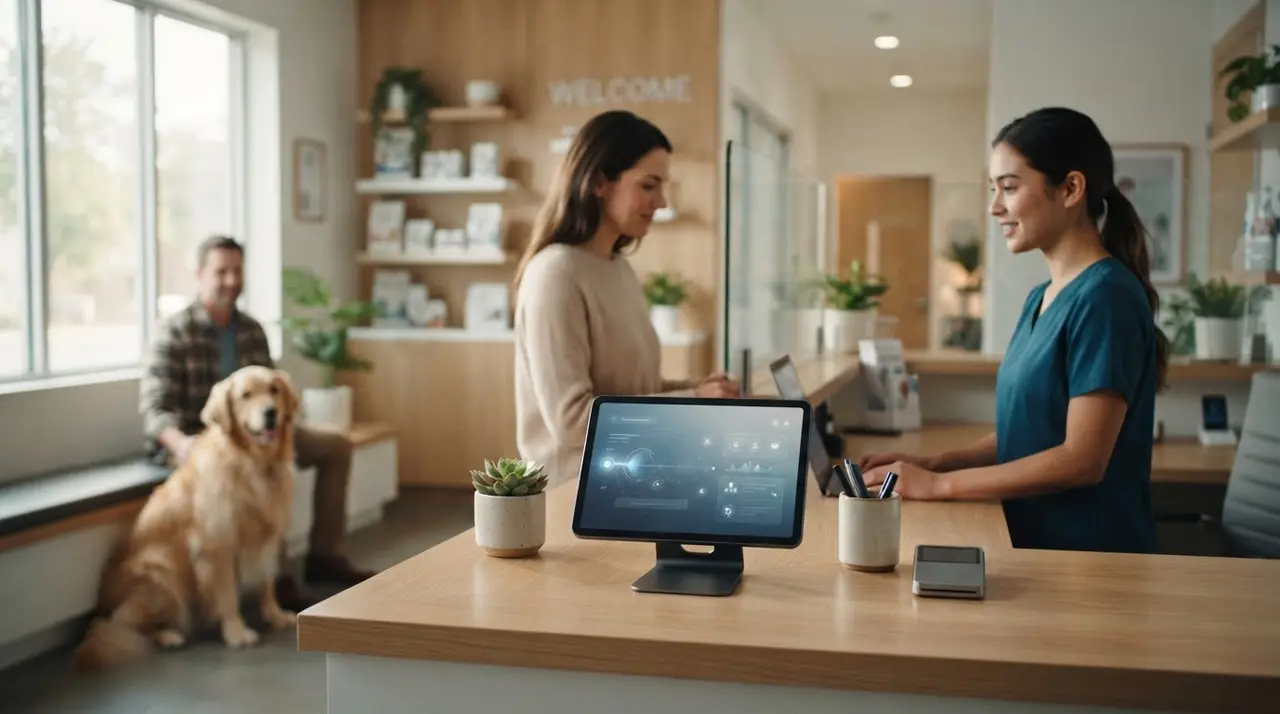
The Future of Veterinary Management is Already Here
Imagine a typical Monday morning at your veterinary clinic. The waiting room is full, the phone won't stop ringing, and a distressed tutor just walked in with a sick cat. Your front desk staff is overwhelmed, trying to schedule routine vaccines while handling an emergency.
This chaotic scenario is exactly what modern artificial intelligence is designed to eliminate. By adopting the right AI tools, you can ensure that every tutor receives an immediate, empathetic response, while your staff focuses on the animals in front of them.
The secret lies in proper veterinary triage powered by a specialized tech stack. Let's explore the ideal 2026 automation ecosystem for small and medium-sized vet clinics: a combination of Botpress, n8n, Dify, and Claude that will keep your schedule full and your clients loyal.
The Core Components of the 2026 Automation Stack
To build a clinic that runs like clockwork, you need more than a simple auto-responder. You need a system where different AI tools communicate seamlessly. Here is the ultimate stack for veterinary success:
- Botpress (The Front Desk): The conversational interface that interacts with pet owners on WhatsApp or your website. It handles the dialogue flow, ensuring the conversation feels natural and structured.
- Claude (The Empathetic Communicator): The AI model providing text intelligence. Unlike older, robotic bots, Claude understands nuance, shows empathy when a pet is sick, and adapts its tone to anxious tutors.
- Dify (The Digital Brain): Your clinic's custom knowledge base. It stores your specific pricing, vaccination protocols, fasting instructions for surgeries, and opening hours.
- n8n (The Central Nervous System): The orchestration tool that connects everything. It moves data between WhatsApp, your clinic's CRM, and payment gateways without human intervention.

How They Work Together: The Perfect Integration Architecture
Having great tools is useless if they don't talk to each other. The magic happens in the integration architecture. When a tutor sends a WhatsApp message at 11 PM asking about a dog's strange cough, the stack springs into action.
First, Botpress receives the message. It sends the text to Claude, which analyzes the tutor's concern. Claude then checks Dify to see your clinic's specific protocols for coughing dogs. It realizes this could be kennel cough or something more severe.
Instead of giving medical advice, the AI performs a smart pre-triage. It politely informs the tutor about the clinic's emergency hours and asks a few qualifying questions. If the tutor wants to book an appointment for the next morning, n8n takes over.
n8n checks your veterinary software's calendar, finds an open slot, reserves it, and sends a confirmation back to the tutor via Botpress. All of this happens in seconds, while you and your staff are sleeping.
Mini-Case: Routine Check-ups vs. Emergencies
Let's look at a practical example of how this stack handles different scenarios, protecting your team from unnecessary stress.
Scenario A: The Routine Vaccine
A tutor messages your clinic wanting to update their puppy's vaccines. The AI agent, grounded by Dify's knowledge base, asks for the puppy's age and previous vaccine history. It suggests a date, and n8n books the appointment. 24 hours before the visit, n8n automatically triggers a WhatsApp reminder. Result: Zero manual work for your receptionist and zero no-shows.
Scenario B: The Suspected Emergency
A tutor sends a frantic message: "My cat ate chocolate!" Claude immediately detects the urgency. It bypasses the standard booking flow and triggers an emergency protocol. It sends an alert to the on-call vet's phone via n8n and advises the tutor to come to the clinic immediately, providing a map link. This precise triage saves lives and builds immense trust.
Automating the Back-Office: Records and Reports
The benefits of this stack extend far beyond the front desk. Managing a veterinary clinic involves a massive amount of paperwork, follow-ups, and financial tracking.
With n8n orchestrating your workflows, you can automate your daily report generation. At the end of every shift, n8n can pull data from your CRM, feed it to Claude to summarize the day's activities, and send a clean, formatted report directly to the clinic manager's WhatsApp.
- Daily Revenue: A quick summary of consultations, surgeries, and pet shop sales.
- No-Show Rates: Insights into missed appointments and automated rescheduling efforts.
- Inventory Alerts: Notifications if critical supplies (like specific vaccines or anesthetics) are running low.

Furthermore, you don't need to rip out your current management software to achieve this. You can easily add AI to your vet system without changing software, using APIs and n8n to build a bridge between your legacy system and modern AI.
Your Evolution Roadmap: Where to Start
Transitioning to the 2026 automation stack doesn't happen overnight. It requires a strategic, phased approach to ensure your staff and your clients adapt comfortably.
Phase 1: The Smart FAQ. Start by deploying Botpress and Dify on your WhatsApp. Let the AI handle the repetitive questions: opening hours, location, accepted payment methods, and basic pricing. This alone frees up 30% of your receptionist's time.
Phase 2: Scheduling and Reminders. Introduce n8n to connect your calendar. Allow the AI to book, cancel, and reschedule appointments. Implement automated reminders and post-consultation follow-ups to check on the pet's recovery.
Phase 3: Full Ecosystem Integration. Bring in Claude for advanced conversational nuance. Set up automated financial reporting, delinquency control, and proactive campaigns (like reminding tutors about annual flea prevention). If you want to see how this looks in practice, check out these examples of AI use cases in customer service.
Conclusion
The veterinary clinics that will thrive in 2026 are those that understand a simple truth: technology should enhance human empathy, not replace it. By implementing Botpress, n8n, Dify, and Claude, you remove the administrative burden from your team's shoulders.
Your receptionists become patient experience managers. Your vets spend more time diagnosing and less time doing data entry. Most importantly, pet tutors feel supported 24/7, knowing their furry family members are in highly capable, well-organized hands.
Frequently Asked Questions
Will pet owners be annoyed by talking to an AI?
Not if the AI is built correctly. Older, rigid chatbots were frustrating. But with Claude's text intelligence and Dify's specific knowledge base, the conversation feels natural, empathetic, and highly efficient. Most tutors prefer a quick, accurate AI response over waiting 40 minutes on hold.
Do I need to hire a programmer to maintain this stack?
No. Tools like n8n and Botpress are low-code platforms. While the initial setup requires strategic design and integration architecture expertise (which an AI agency can provide), day-to-day maintenance and updating your knowledge base in Dify is as easy as editing a text document.
Is it safe to let AI handle veterinary triage?
The AI is never allowed to diagnose or prescribe medication. Its role in triage is strictly administrative and preliminary. It gathers symptoms, determines the urgency based on rules you define, and routes the information to the appropriate human professional or emergency protocol.
Can this stack integrate with my current veterinary software?
In most cases, yes. If your current CRM or scheduling software has an API (Application Programming Interface), n8n can connect to it. This allows the AI stack to read available times and write new appointments without you having to change your underlying management system.