
5 Signs Your Hardware Store Is Ready for AI Adoption
Discover the 5 clear signs your hardware store is ready for AI adoption. Learn how commercial automation and WhatsApp messaging can boost your daily sales.
- Commercial Automation
- Customer Acquisition
- Retail Technology
- AI Adoption
- Hardware Store
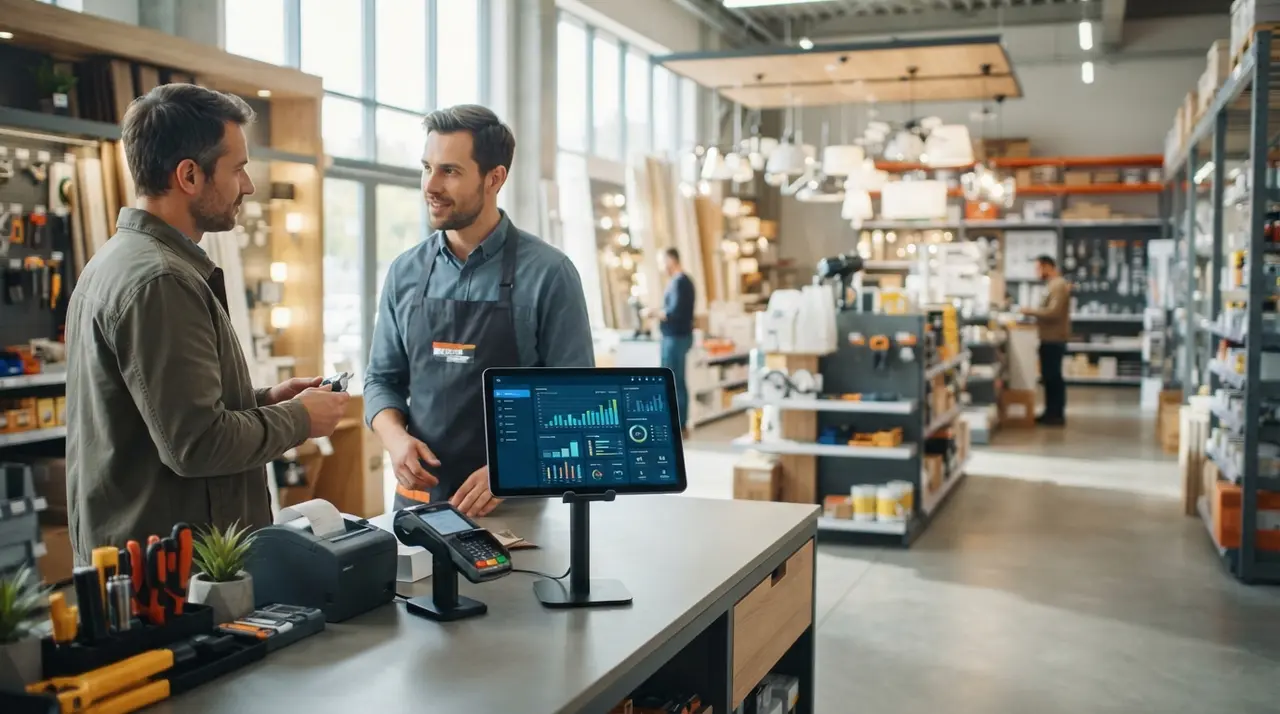
A hardware store is ready for AI adoption when operational bottlenecks like repetitive quoting and counter lines start limiting its commercial automation and growth potential. Recognizing these specific signs ensures you invest in technology at the exact moment it can drive efficient customer acquisition and scale your WhatsApp message broadcasting without disrupting daily operations. Many store owners hesitate, fearing that artificial intelligence is just a passing trend or too complex for the building materials sector. However, the reality is that AI is a practical tool designed to solve everyday retail friction.
If you manage a small to medium-sized independent hardware store, your daily routine is likely filled with urgent requests, inventory checks, and price negotiations. The challenge is distinguishing between normal business busyness and actual operational inefficiency. Adopting new technology should never be done just for the sake of innovation; it must answer a direct business need. By identifying the right triggers, you can confidently transition your store into a modern, highly responsive retail operation.
Sign 1: Your Team Drowns in Repetitive Price Quotes
A staggering volume of repetitive price quotes is the clearest indicator that your sales team needs artificial intelligence. Every day, contractors and DIY customers ask the exact same questions about the price of cement, the availability of PVC pipes, or the cost of standard paint gallons. When your human staff spends hours answering these basic queries, they have less time to focus on high-ticket, consultative sales that actually drive revenue.
To evaluate this bottleneck, monitor your team's WhatsApp and phone interactions for a few days. Calculate the percentage of messages that require simple, one-line answers versus those requiring complex project calculations. If more than half of your daily messages are simple price or stock checks, your operation is highly inefficient. You are essentially paying experienced salespeople to act as manual search engines for your inventory.
- Symptom: Sales reps complain about not having enough time to follow up on large projects.
- Symptom: Customers receive delayed responses for basic items like nails or sand.
- First Step: Map out the top 20 most frequently asked questions and requested items. This list will be the foundation for your first automated response flow.
By automating these initial interactions, you can explore various use cases of AI in customer service to filter out the noise. The AI handles the repetitive pricing, while your human team steps in only when the customer is ready to close a large materials package or needs technical advice on construction methods.
Sign 2: Long Lines at the Counter Are Frustrating Customers
Long physical lines at your store's counter directly signal a bottleneck that AI-driven self-service can instantly resolve. In the construction business, time is literally money. Contractors and builders hate waiting in line to place an order because every minute spent at your store is a minute lost on the job site. If your peak hours look like a chaotic traffic jam, you are actively losing customer loyalty to faster competitors.
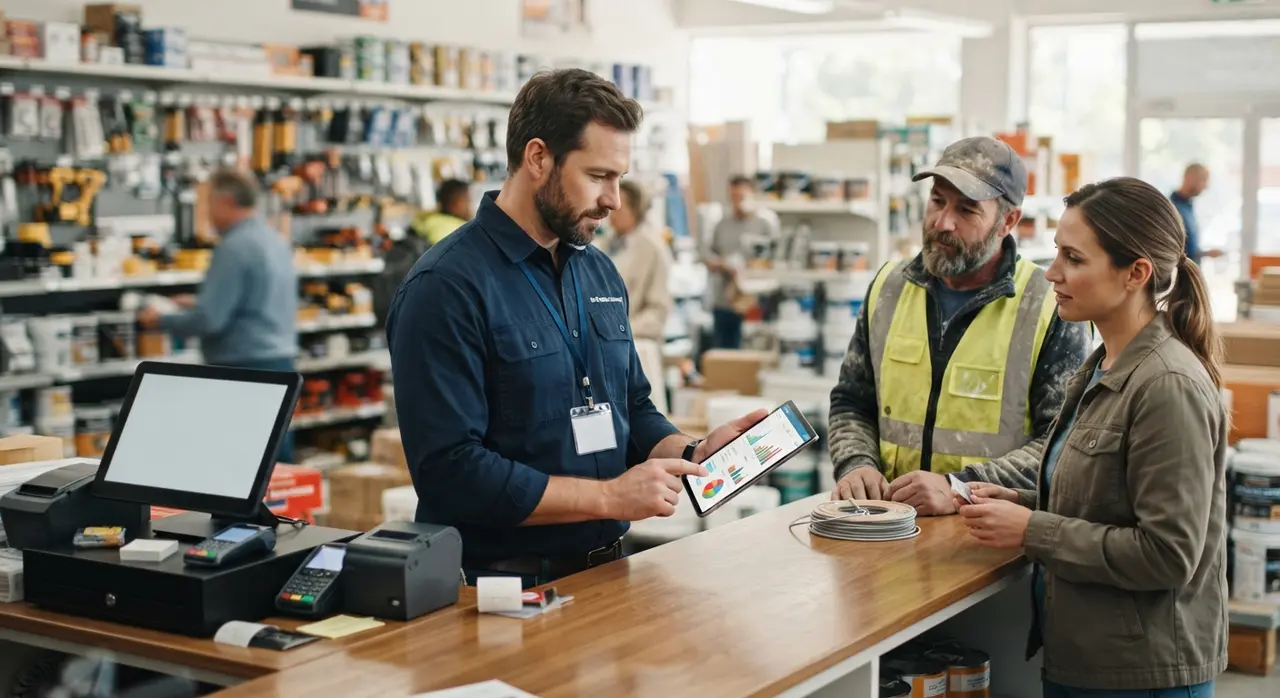
You can diagnose this issue by observing your store during the early morning rush. Are customers waiting more than ten minutes just to order standard materials? Are your clerks overwhelmed because they have to answer the phone while simultaneously serving the person standing in front of them? This chaotic environment leads to order mistakes, frustrated buyers, and a stressful workplace for your employees.
The immediate solution is to divert simple orders to digital channels before the customer even arrives at the store. Implementing a smart system for WhatsApp message broadcasting allows contractors to send their material lists the night before or early in the morning. The AI can process the list, confirm stock, and schedule a quick pickup, effectively bypassing the counter line altogether.
Sign 3: Frequent Stockouts Hurt Your Sales Margins
Frequent inventory stockouts demonstrate a disconnect between sales velocity and purchasing, a gap AI bridges seamlessly. Nothing kills a sale faster than a customer ready to buy a large quantity of materials, only to find out you are out of stock on a crucial item. In hardware retail, items are often bought in bundles; if you lack the primer, the customer won't buy the paint from you either.
Consider the case of a mid-sized building materials retailer that struggled with unexpected cement shortages during the peak construction season. By integrating IAChatbot into their inventory system, the store automated low-stock alerts and predictive ordering based on historical sales data. As a qualitative result, the management team eliminated sudden stockouts, improved supplier negotiation times, and kept top-selling items consistently available for their most loyal contractors.
To assess your inventory readiness, look at your lost sales log. If you are losing deals weekly due to missing "A-curve" products (your bestsellers), manual tracking is no longer sufficient. The first step is to ensure your current inventory counts are accurate in your system, setting the stage for an AI agent to monitor trends and alert you before the shelves go empty.
Sign 4: You Lose Deals Because Quotes Take Too Long
Losing potential sales because building material quotes take too long to deliver proves your manual processes are failing. When a contractor sends a PDF or a handwritten list of 50 different items, manual processing requires a clerk to read the list, search for each item in the system, check current pricing, verify stock, and format a response. If this takes 24 to 48 hours, the contractor will simply buy from the competitor across the street who answered in 30 minutes.
Speed is the ultimate competitive advantage in commercial automation. Evaluate your current response time for complex quotes. If it exceeds a few hours, you are leaving money on the table. AI can instantly extract text from images or PDFs, match the requested items with your database, and generate a professional quote in seconds.
The first actionable step here is to standardize how you receive quote requests. Encourage customers to send their lists via WhatsApp. Once centralized on a digital platform, an AI system can be trained to recognize your specific product names and abbreviations, drastically cutting down the manual data entry required by your sales team.
Sign 5: Your ERP Data Is Organized But Underutilized
Having a well-organized ERP system filled with product and customer data means the foundational groundwork for AI is already complete. You cannot automate chaos. If your store already uses a management system where SKUs, prices, and stock levels are regularly updated, you are sitting on a technological goldmine. Many store owners pay for robust ERPs but only use them as glorified cash registers.
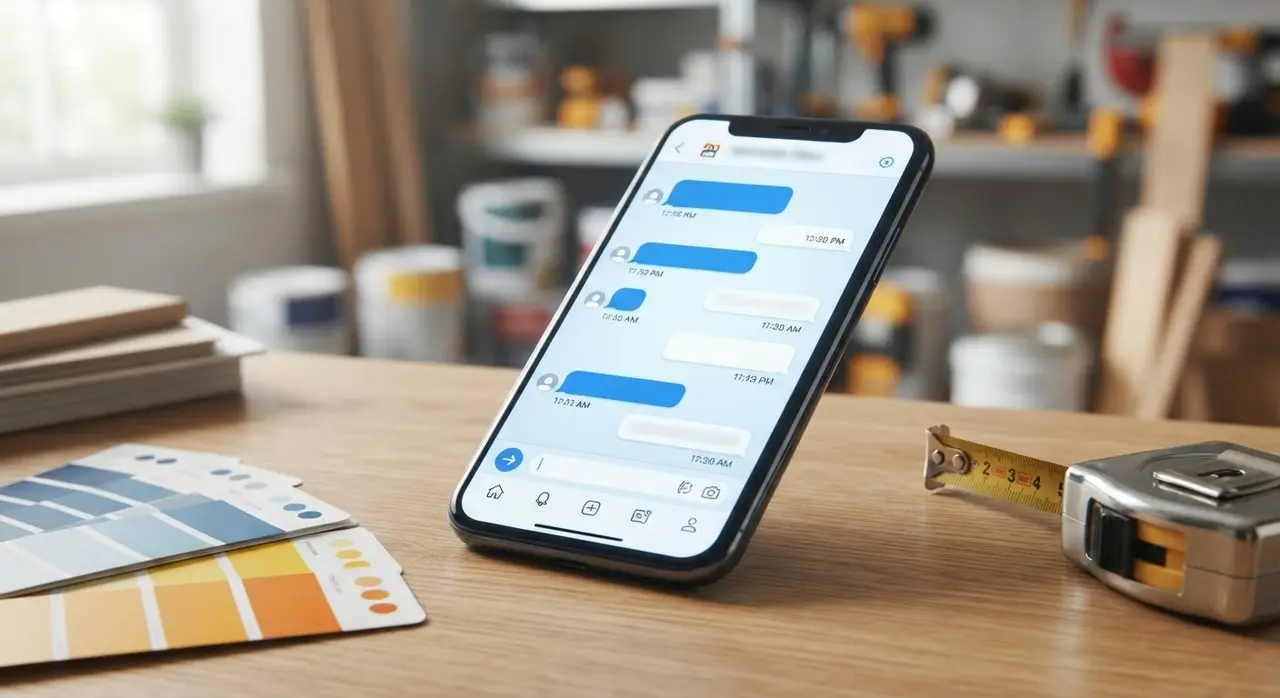
To evaluate this sign, ask yourself how you currently use your customer data. Do you proactively reach out to a painter who buys supplies every three months? Do you know which products are frequently bought together? If the data is there but no one has the time to analyze it, you are perfectly positioned for AI adoption.
| Process | Manual ERP Usage | AI-Assisted ERP Integration |
|---|---|---|
| Quoting | Employee searches items one by one | AI fetches prices and builds the quote instantly |
| Customer Follow-up | Relies on human memory or manual notes | Automated WhatsApp message broadcasting |
| Inventory Control | Manual weekly physical checks | Real-time alerts based on sales velocity |
| Customer Acquisition | Passive waiting for walk-ins | Proactive outreach based on purchase history |
Understanding the benefits of using AI in customer service starts with leveraging the data you already own. Your first step is to connect your ERP to a smart communication layer. This allows the AI to act as a bridge, fetching accurate prices from your system and delivering them directly to the customer's smartphone without human intervention.
How to Take the First Step Without Overcomplicating
Starting your AI journey requires focusing on one specific bottleneck before scaling the technology across your entire hardware store. It is a common mistake to try and automate everything at once. This overwhelms your staff and confuses your customers. Instead, pick the one area that causes the most daily friction—whether that is the volume of WhatsApp messages or the speed of generating large quotes.
Begin with a pilot program. For example, implement an AI chatbot solely to handle after-hours inquiries and basic price checks. Inform your regular contractors about the new self-service option and gather their feedback. Once they realize they can get instant answers at 6 AM before heading to the job site, adoption will happen naturally.
As your team becomes comfortable with the technology, you can gradually expand its capabilities to include proactive customer acquisition and targeted promotions. AI is not about replacing the personal touch that independent hardware stores are known for; it is about removing the administrative burden so you can focus entirely on building profitable relationships.
Frequently asked questions
Do I need a complex IT infrastructure to use AI in my hardware store?
No complex IT infrastructure is required to start using AI. If you have a stable internet connection, a standard organized ERP system, and a WhatsApp Business number, you can easily integrate cloud-based AI solutions without buying new servers or hardware.
Will AI replace my sales counter staff?
AI will not replace your sales staff; it will empower them to sell more efficiently. By handling repetitive questions and basic quotes, AI frees your human team to focus on high-ticket consultative sales, complex projects, and relationship building with key contractors.
How long does it take to see results from commercial automation?
Most hardware stores notice significant improvements in response times and team productivity within the first two weeks. True efficiency in quoting and customer routing usually yields a measurable return on investment in the first quarter of deployment.
Can AI understand the specific slang and abbreviations used by builders?
Yes, modern AI systems can be trained to understand specific industry slang and abbreviations. You can customize the AI's knowledge base with your store's unique product names, ensuring it accurately matches a contractor's rough material list to your exact ERP inventory.