
AI Automation: Lead Assessment Agent for Clinics
Discover how an AI assessment agent qualifies leads for aesthetic clinics before the first consultation, boosting treatment conversion rates and saving time.
- AI Automation
- Aesthetic Clinics
- Lead Qualification
- AI Agency
- Patient Management
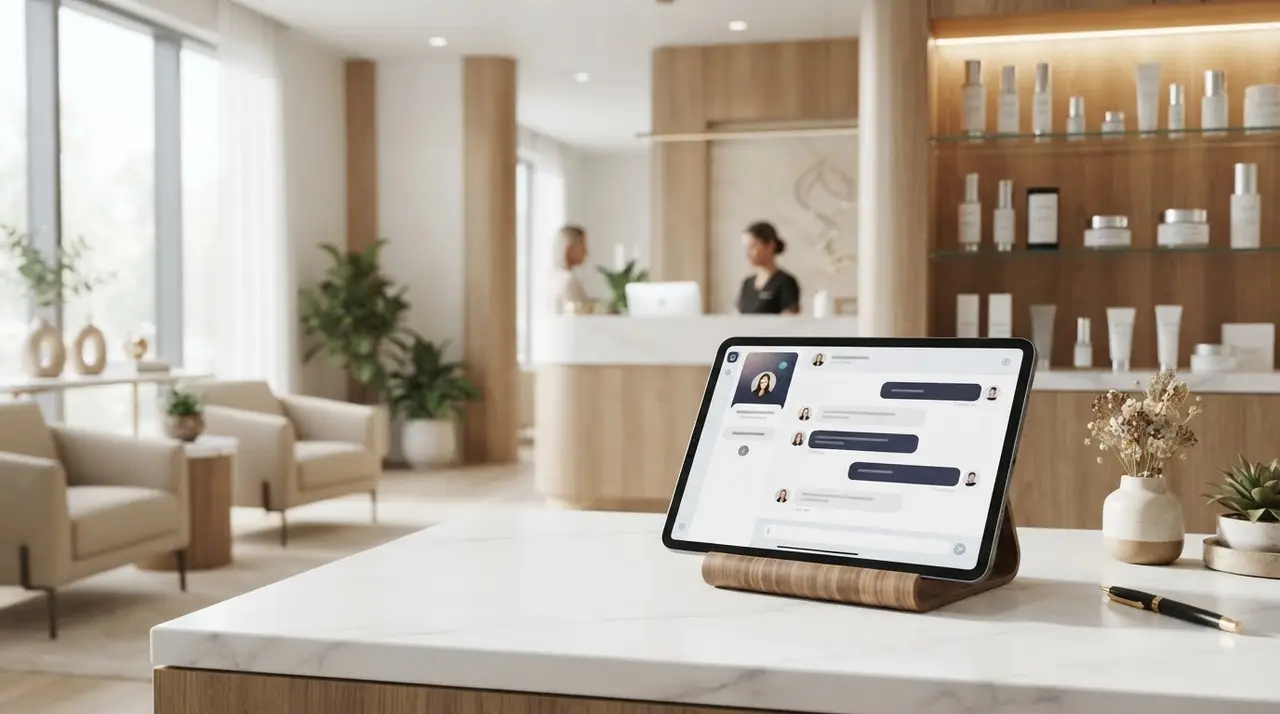
An assessment agent is a specialized AI automation tool that qualifies leads for aesthetic clinics before their first consultation. By engaging the patient early, it understands their aesthetic goals, collects relevant medical history, and manages expectations while preparing structured information for the medical professional. This proactive approach ensures that the clinic staff only spends time with high-intent prospects who are genuinely ready for treatment. Partnering with a specialized AI agency to implement this system transforms how clinics handle inbound inquiries, turning a chaotic WhatsApp inbox into a streamlined conversion engine.
How an AI Assessment Agent Qualifies Clinic Leads
An AI assessment agent systematically gathers patient data and filters out unqualified leads before any consultation takes place. When a potential patient contacts your aesthetic clinic, the virtual assistant immediately starts a conversational triage. It asks targeted questions about the specific areas they want to treat, their desired timeline, and their budget expectations. This structured data collection allows your front desk team to prioritize leads based on true urgency and financial fit.
Many clinics waste hours responding to generic "How much is Botox?" messages on social media. An automated agent flips this dynamic by asking the right questions back. Instead of just giving a price list, it engages the lead to understand the underlying problem they want to solve. This method transitions the conversation from a pure price-shopping exercise into a personalized consultation journey.
Gathering Aesthetic Goals and Patient History
Collecting a patient's medical history and aesthetic goals early prevents wasted time during the actual clinic visit. The agent gently asks about past procedures, known allergies, and specific skin or body concerns. Instead of handing the patient a clipboard and a paper form in the waiting room, the system allows them to provide this information via WhatsApp at their own convenience.

By using a smart clinic automation stack, you ensure that no vital detail slips through the cracks. The AI categorizes the responses into a neat profile for the doctor. This pre-consultation phase usually covers three main pillars:
- Goal identification: Pinpoints exactly what the patient wants to improve, such as facial volume loss, acne scars, or body contouring.
- Basic medical history: Checks for absolute contraindications, like pregnancy, severe allergies, or recent aggressive skin treatments.
- Expectation management: Asks what the patient hopes to achieve, allowing the doctor to tailor their clinical pitch and manage unrealistic desires early on.
Setting Boundaries Without Making Diagnoses
A professional AI company configures these agents to collect data strictly without offering medical diagnoses or prescribing treatments. The AI acts as a sophisticated, empathetic receptionist, not a certified doctor. If a patient asks what specific laser treatment they need for their melasma, the bot is trained to gracefully redirect the conversation. It emphasizes that only the specialist can recommend the ideal protocol after a physical evaluation.
This strict boundary protects your clinic from medical liability while maintaining a highly professional image. The goal is to build anticipation and trust for the in-person meeting, not to replace the doctor's expertise. Here is how an AI assessment agent compares to traditional manual triage:
| Feature | Manual Triage by Receptionist | AI Assessment Agent |
|---|---|---|
| Response Time | Hours or days, depending on message volume | Instant, 24/7 availability |
| Data Collection | Inconsistent, often rushed over the phone | Structured, comprehensive, and standardized |
| Diagnostic Risk | Staff might accidentally give medical advice | Strictly limited to data gathering and routing |
| Patient Experience | Frustrating wait times for simple answers | Smooth, immediate, and highly professional |
The Impact on Treatment Conversion Rates
A well-prepared first consultation significantly increases the chances of converting a lead into a paying patient. When the aesthetic professional steps into the room already knowing the patient's goals, history, and anxieties, the consultation becomes highly personalized. The doctor can skip the tedious data-entry phase and immediately focus on building rapport, explaining the science behind the procedure, and showing relevant before-and-after photos.
Consider a mid-sized dermatology and aesthetic clinic that struggled with low conversion rates because doctors spent half the consultation gathering basic history. By implementing a custom assessment agent built by IAChatbot, the clinic automated their pre-consultation triage. The result was a dramatic decrease in no-shows and a noticeable increase in high-ticket treatment sales. Doctors could finally focus entirely on building trust, rather than acting as administrative clerks.
Transitioning from Bot to Medical Professional
Seamlessly routing the qualified lead to the clinic staff ensures a premium patient experience and higher operational efficiency. Once the AI gathers all the necessary pre-consultation data, it compiles a concise, easy-to-read summary. This summary is instantly pushed to the clinic's CRM, scheduling software, or the doctor's personal dashboard.

By exploring different AI use cases in customer service, clinics learn that the handoff is just as important as the chat itself. The transition is practically invisible to the patient. When the human team takes over, they can say, "Hi Maria, I see you're looking to enhance your lip volume and that you've never had fillers before. Let's get you scheduled!" They feel heard and understood even before they step foot into the clinic. This level of personalized, attentive care is what sets top-tier aesthetic centers apart from the competition.
Frequently asked questions
Can the AI assessment agent prescribe treatments?
No, the AI assessment agent cannot prescribe treatments or make medical diagnoses. It is strictly programmed to collect patient history, understand aesthetic goals, and organize this data for the certified professional to review during the actual consultation.
How does the AI handle sensitive patient information?
The AI handles sensitive patient information by using secure, encrypted channels like the official WhatsApp Business API. A reputable AI automation provider ensures that all data collection complies with local privacy regulations, keeping patient records safe and confidential.
Will an AI agent replace my clinic's receptionist?
An AI agent will not replace your receptionist; rather, it empowers them to focus on high-value tasks. By automating the repetitive qualification and data-gathering process, your human staff can dedicate more time to in-person patient care, billing, and complex administrative duties.
Does the patient know they are talking to an AI?
Yes, it is best practice to inform the patient that they are interacting with a virtual assessment agent. Transparency builds trust, and patients usually appreciate the instant, 24/7 response to their initial inquiries before speaking with the human team.