
Automação IA in Ticket Sales: Smart Batch Routing
Discover how automação ia and vertical AI agents recommend the perfect ticket batches and categories, boosting your event's revenue and reducing indecision.
- AI Agents
- Event Management
- Sales Automation
- Ticket Sales
- Conversational Commerce
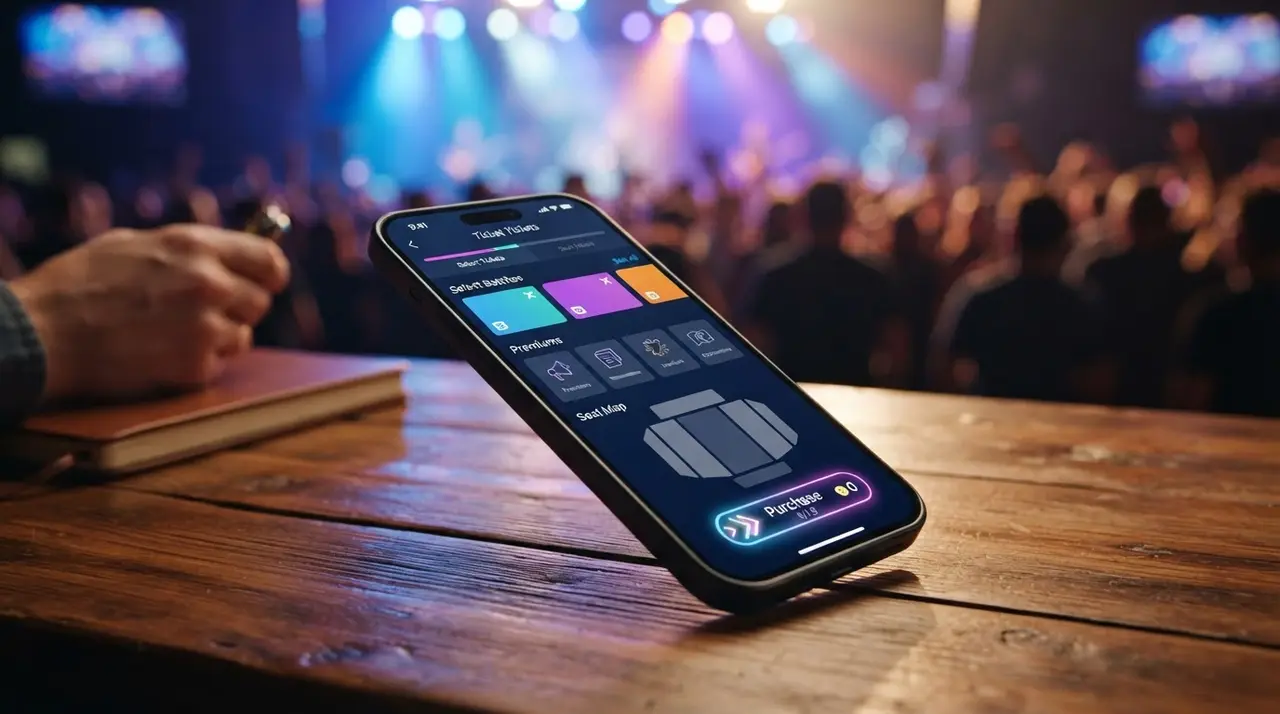
An AI agent for ticket sales is a specialized virtual assistant that uses automação ia to recommend the ideal ticket batches and categories based on individual attendee profiles. This targeted approach ensures buyers find the right options instantly, preventing cart abandonment and maximizing event revenue. For event producers and managers, transitioning from static sales pages to conversational commerce is the next logical step in business growth.
When potential attendees visit an event website, they are often overwhelmed by multiple ticket tiers, confusing seating charts, and shifting price batches. A smart virtual agent removes this friction. By asking a few strategic questions, the AI understands exactly what the buyer wants and serves the perfect checkout link on a silver platter.
This level of automatização ia doesn't just answer FAQs; it actively drives sales. In this article, we will explore how conversational agents read your product base, apply smart recommendation logic, and guide attendees smoothly from their initial interest all the way to a completed purchase.
How IA Vertical: Understanding the Attendee Profile
Specialized ia vertical directly maps user intent to your event's specific product base to offer highly accurate recommendations. Unlike generic chatbots that simply list prices, an event-focused AI agent asks behavioral questions about group size, budget, and desired experiences to pinpoint the exact ticket match.
To make these recommendations, the AI must first understand your event's product architecture. A typical ticketing base includes:
- General Admission (GA): The standard entry, usually preferred by budget-conscious attendees or large groups.
- VIP & Premium Areas: Higher-ticket items that offer perks like front-row access, exclusive bars, or comfortable seating.
- Group Combos: Packages designed for friends or corporate groups, often featuring a built-in discount to drive volume.
- Add-ons: Extras like parking passes, drink tokens, or merchandise that can be bundled with the main ticket.
When a user interacts with the AI, the agent analyzes their inputs in real-time. If a user asks, "What is the best option for me and three friends?", the AI immediately filters out single VIP tickets and highlights a group combo, explaining the cost-savings per person. This tailored approach makes the buyer feel understood and drastically reduces the time spent browsing.
The Logic Behind Recommending Batches and Categories
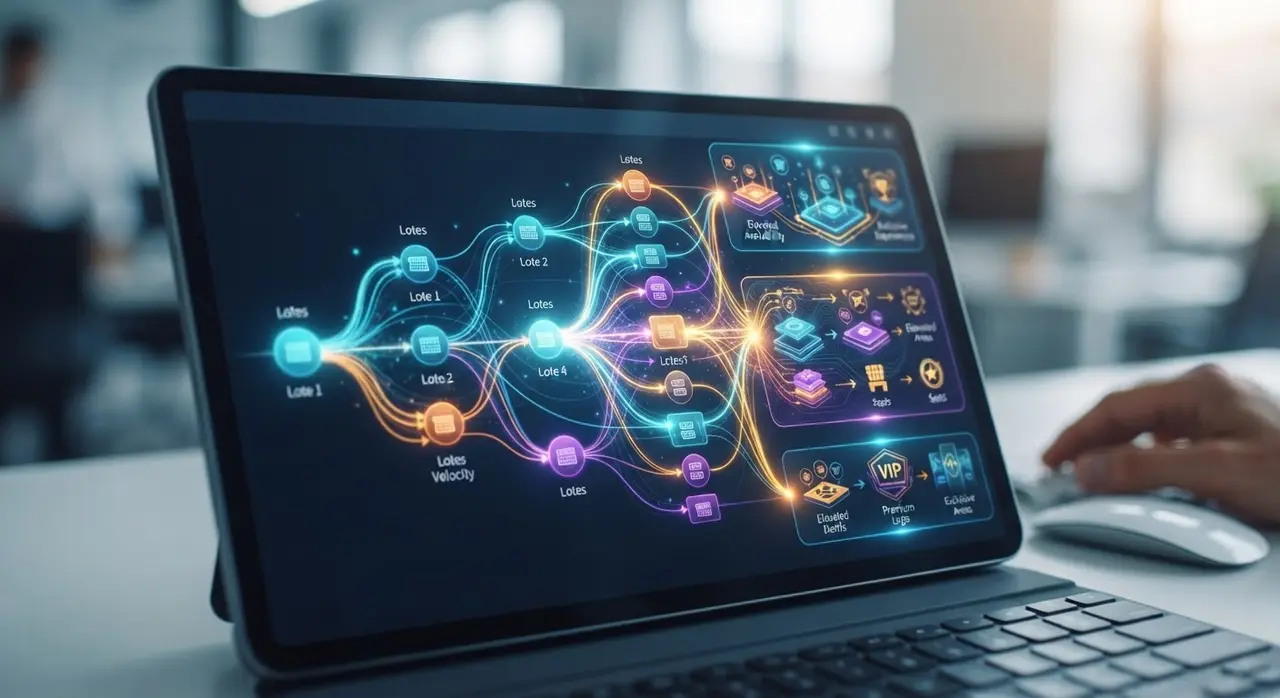
The recommendation logic of an AI agent relies on real-time inventory tracking and behavioral triggers to suggest the best active ticket batch. By knowing exactly which batch (lote) is currently active, the AI creates genuine urgency while offering the most logical category upgrade.
Event ticketing is highly dynamic. Prices increase as batches sell out, and availability shifts by the minute. An AI agent handles this complexity by applying specific sales rules:
- Scarcity and Urgency: If Batch 2 is 90% sold out, the AI proactively informs the buyer: "Batch 2 is ending soon! Secure your ticket now before the price increases to Batch 3."
- Value Comparison: If a user is hesitating between GA and VIP, the AI breaks down the benefits. It might say, "For just $30 more, the VIP category gives you fast-track entry and access to the premium lounge."
- Contextual Upselling: When a buyer selects a ticket, the AI seamlessly suggests logical add-ons, such as "Would you like to add a VIP parking pass to your order for a smoother arrival?"
Let's look at how this automated logic compares to a traditional ticketing approach:
| Sales Criteria | Traditional Sales Page | AI Agent Ticketing |
|---|---|---|
| Batch Updates | User must manually refresh to see if a batch changed. | AI alerts user in real-time about impending batch changes. |
| Personalization | Shows all categories equally; user must read descriptions. | Recommends 1 or 2 specific categories based on user answers. |
| Upselling | Static checkboxes at the bottom of the checkout form. | Conversational suggestions tailored to the chosen ticket type. |
| Support | User must leave the page to email a support address. | Instant answers within the same chat, keeping the user in the funnel. |
Real-World Application: Boosting Average Ticket Size
Implementing an AI agent directly increases the average ticket size by offering personalized upsells and contextual combo deals right when the user is most engaged. Instead of relying on hope, event organizers can use AI to actively sell premium experiences.
Consider a mid-sized music festival that struggled with low VIP ticket sales due to a cluttered, confusing website layout. Users were simply clicking the first "Buy" button they saw, which defaulted to General Admission. By integrating IAChatbot, the festival deployed an AI agent that engaged users on WhatsApp.
The bot asked users about their favorite artists and who they were bringing. Based on the responses, the AI naturally recommended the VIP backstage pass, highlighting the exclusive view of the main stage. This simple conversational pivot reduced checkout drop-offs by 28% and increased VIP upsells significantly, proving the value of a tailored approach. For organizers looking for inspiration, checking out practical use cases can reveal how easily this technology adapts to different event formats.

Reducing Buyer Indecision During Checkout
Conversational checkout flows eliminate buyer indecision by guiding the customer step-by-step through the final payment phase. Instead of leaving the user to navigate complex seating charts or multiple batch options alone, the AI hands over the exact cart link ready for payment.
One of the biggest conversion killers in event sales is choice paralysis. When faced with ten different ticket types, three active batches, and multiple add-ons, users often close the tab, promising themselves they will "buy it later." We all know that "later" often means never.
An AI agent acts as a digital concierge. Once the user agrees to a recommendation, the agent generates a direct, personalized checkout link. The user clicks the link, enters their payment details (or pays via instant methods like PIX or Apple Pay), and completes the transaction in seconds. For events dealing with high-volume launches, an AI agent for event registrations ensures that no customer is left behind due to technical friction or slow loading pages.
Frequently Asked Questions
How does the AI know which ticket batch is currently active?
The AI agent integrates directly with your ticketing platform's API or database. It pulls real-time inventory data, ensuring it only recommends and sells tickets from the currently active batch, preventing overselling and pricing errors.
Can the AI handle group bookings and combos?
Yes. The AI is programmed to ask about the number of attendees early in the conversation. If it detects a group, it automatically calculates the best combo deal and presents it as the most cost-effective option, simplifying the purchase for the buyer.
What happens if a user abandons the chat before buying?
Because the interaction often happens on platforms like WhatsApp, the AI can send a gentle, automated follow-up message a few hours later. It can remind the user that their preferred ticket batch is almost sold out, creating urgency to recover the sale.
Does the AI process the actual payment?
The AI guides the user right up to the payment step and then provides a secure, encrypted checkout link. The actual payment processing is handled by your secure payment gateway, ensuring full compliance with financial regulations and data security.