
Intelligent Automation: Perfect Touch-Up Timing
Discover how an intelligent automation agent uses AI CRM and task automation to send timely aesthetic touch-up reminders, boosting clinic recurrence and revenue.
- Intelligent Automation
- AI CRM
- Task Automation
- Aesthetic Clinics
- Patient Retention
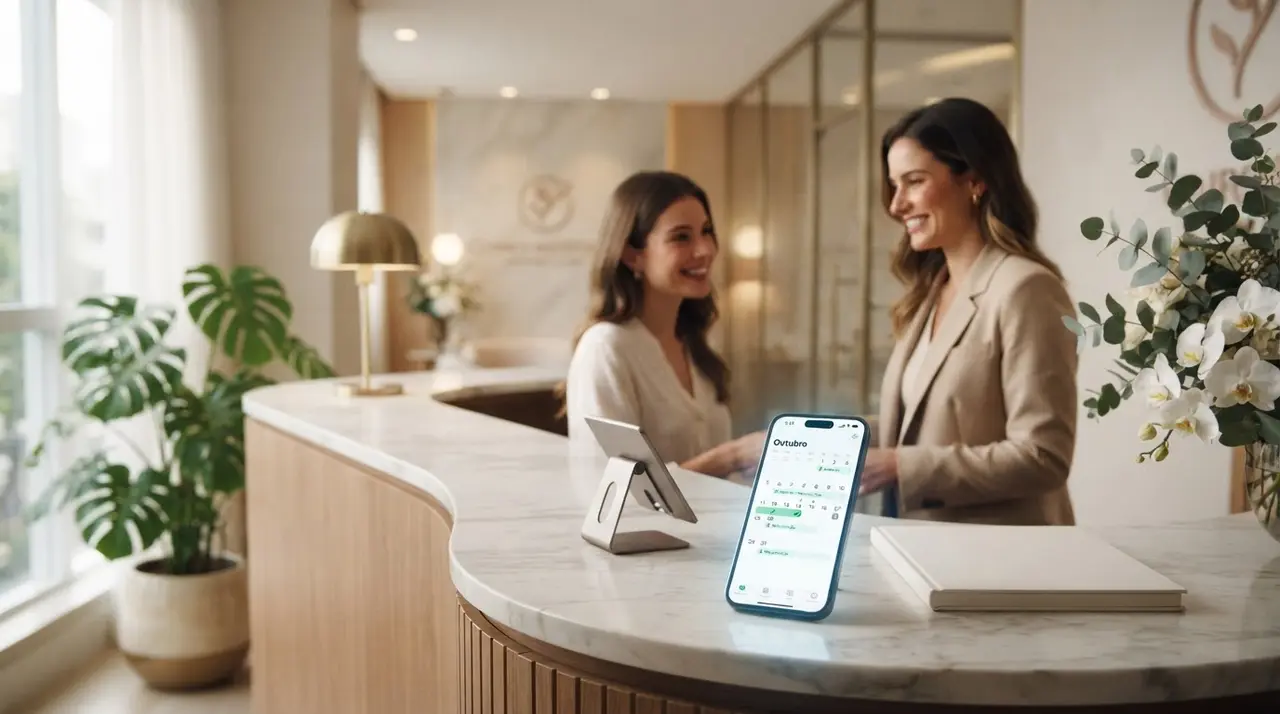
An intelligent automation agent for maintenance reminders is an AI-driven system that tracks aesthetic procedure lifespans and proactively contacts patients exactly when they need a touch-up. By integrating directly with an AI CRM, this technology eliminates manual patient tracking and guarantees that follow-up messages are sent at the biologically optimal time for each specific treatment. For aesthetic clinic owners and managers, securing recurring revenue is just as important as acquiring new patients.
Relying on front-desk staff to manually check spreadsheets for expired Botox or faded fillers often leads to missed opportunities and lost revenue. When human error enters the equation, patients forget to book, and their loyalty drifts to competitors. A dedicated reminder agent operates silently in the background, ensuring your schedule remains full and your patients maintain their desired results seamlessly.
Calculating the Ideal Intervals by Procedure Type
Calculating the ideal interval for aesthetic touch-ups requires aligning clinical timelines with automated outreach schedules. An effective reminder system categorizes patients based on the specific treatment they received and sets a countdown tailored to that procedure's natural degradation rate. For example, botulinum toxin typically requires maintenance every three to four months, while hyaluronic acid fillers might last up to a year.
Understanding these biological timelines allows the AI agent to map out the entire patient journey for the upcoming year. Instead of guessing when a patient might want to return, the system relies on hard data to initiate contact. This precision prevents you from being too pushy or acting too late.
| Procedure Type | Average Lifespan | Reminder Trigger Timeline | Suggested Message Tone |
|---|---|---|---|
| Botulinum Toxin | 3 - 4 Months | 14 days before expiration | Friendly check-in on muscle movement |
| Lip Fillers | 6 - 9 Months | 30 days before expiration | Excitement about maintaining volume |
| Laser Hair Removal | 30 - 45 Days | 7 days before next session | Gentle nudge to stay on schedule |
| Collagen Biostimulators | 12 - 18 Months | 45 days before expiration | Educational reminder on collagen loss |
By structuring your database around these intervals, your task automation becomes a predictable revenue engine. The AI simply executes the rules you establish, adapting to each unique treatment plan.
Setting Up Triggers for Task Automation
Setting up triggers for task automation ensures that no patient falls through the cracks when their maintenance window opens. The moment a procedure is marked as completed in the clinic's management software, the AI agent schedules a future interaction without any human intervention. This seamless workflow relies on webhooks and API connections between your electronic health records and your communication channels.

If a patient comes in for a laser hair removal session, the system automatically queues a WhatsApp message for 30 days later to book the next session. This level of precision is part of the broader Clinic Automation stack, which centralizes patient data and transforms passive records into active sales opportunities.
You can also create conditional triggers based on patient behavior. If a patient ignores the first reminder, the agent can wait three days and send a softer follow-up offering a convenient time slot.
Personalization and the Right Conversational Tone
Personalizing the outreach message with the right conversational tone is the deciding factor between a booked touch-up and an ignored text. Patients do not want to feel like they are receiving a mass marketing blast; they expect a boutique, individualized experience that reflects their previous visit. An advanced AI CRM uses natural language processing to craft messages that sound warm, professional, and highly specific.
Instead of a generic "Time for your appointment," the agent says, "Hi Sarah, it's been 4 months since your last Botox session with Dr. Smith, and we want to make sure your results stay perfect. Would you like to check our availability for next week?" This approach demonstrates care and attention to detail.
- Use the patient's name: Always start with a warm, personal greeting.
- Reference the exact procedure: Show that you remember their specific needs.
- Mention the professional: Building a bond with the attending doctor or aesthetician increases trust.
- Provide an easy exit: Allow them to easily decline or postpone without feeling pressured.
Consider a mid-sized aesthetic clinic in São Paulo that struggled with low retention rates for facial harmonizations. By implementing IAChatbot, they deployed an intelligent automation agent that cross-referenced past treatment dates and sent personalized WhatsApp reminders two weeks before the expected procedure degradation. The qualitative result was a drastically improved patient experience, with clients praising the clinic's proactive care, and a completely full schedule for the medical team without the reception staff making a single manual outbound call.
Discover more about the benefits of using AI in customer service to elevate your patient journey and replicate these results in your own clinic.
Driving Patient Loyalty Through Predictable Recurrence
Driving patient loyalty through predictable recurrence transforms a one-time visitor into a lifetime advocate for your clinic. When patients realize they no longer have to mentally track their own beauty maintenance schedules, they develop a deeper trust in your brand's operational excellence. They begin to view your clinic not just as a service provider, but as a proactive partner in their self-care routine.
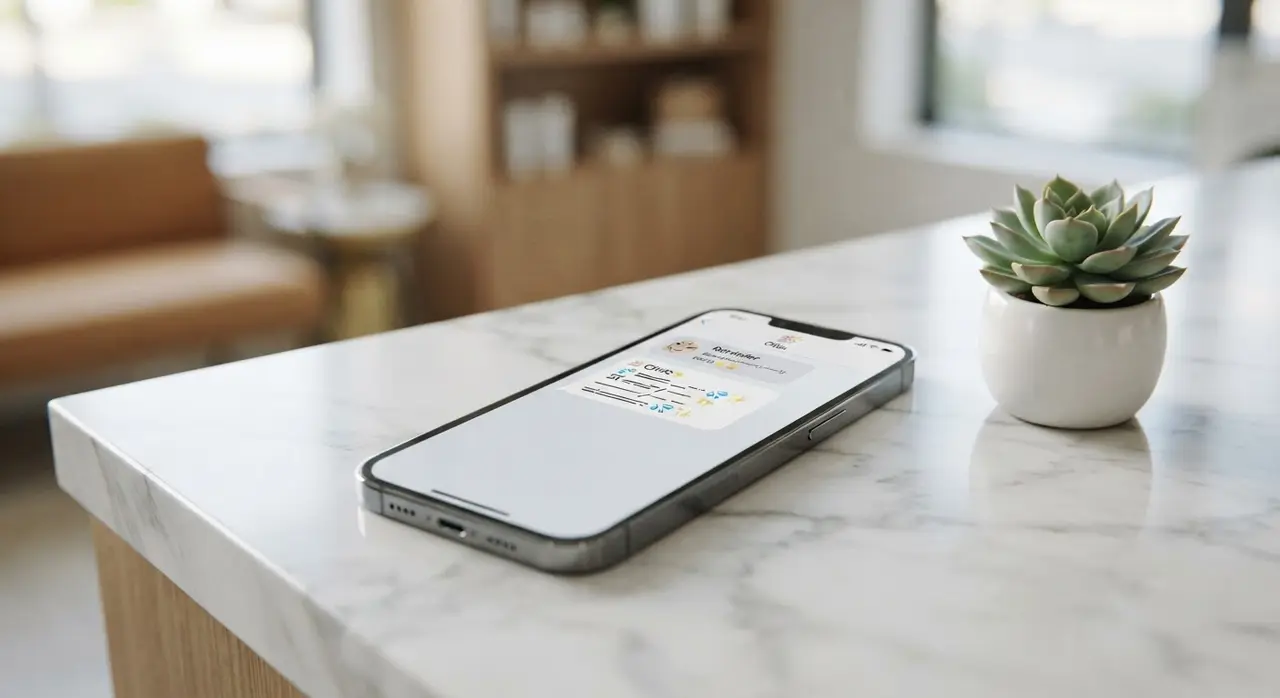
Consistent, timely reminders remove friction from the booking process. By utilizing task automation to handle the administrative heavy lifting, your team can focus on delivering exceptional in-person care. The AI agent gently nudges the patient, offers available calendar slots, and confirms the appointment—all within a single chat thread.
This predictable recurrence stabilizes your clinic's cash flow. When you know exactly how many touch-ups are due in a given month, you can forecast revenue with incredible accuracy. You can explore more use cases of AI in customer service to see how this technology adapts to various clinic sizes and specialties.
Frequently asked questions
How does the AI know when a patient needs a touch-up?
The AI determines touch-up timing by reading the procedure code and completion date from your clinic's database. It then applies a predefined timeline rule for that specific treatment to calculate the exact day the reminder should be sent.
Can the reminder agent book appointments directly?
Yes, the reminder agent can integrate with your clinic's calendar system to offer available slots and book appointments directly within the chat. This eliminates back-and-forth messaging and secures the booking instantly.
Is the automated message personalized for each patient?
The automated message is highly personalized using variables like the patient's name, the specific procedure they had, and the name of the attending professional. This ensures the communication feels like a natural, 1-to-1 follow-up rather than a generic broadcast.
Which procedures benefit most from automated reminders?
Procedures with predictable degradation cycles, such as botulinum toxin, dermal fillers, and multi-session laser treatments, benefit the most from automated reminders. The system guarantees that patients return exactly when the effects begin to fade, maximizing clinical results and clinic revenue.