
Predictive AI: How to Anticipate ISP Network Outages
Discover how predictive AI for ISPs anticipates network outages. Learn to use automated monitoring and automatic triggers for massive rework reduction.
- Predictive AI
- Automated Monitoring
- ISP Management
- Network Automation
- Telecom AI

The Nightmare of Reactive ISP Support
Your support phone is ringing off the hook. Dozens of customers are complaining about the exact same issue: a sudden network outage. By the time your team realizes what happened, the damage to your reputation is already done.
But what if you could fix the problem before the customer even notices their internet is down? This is exactly what predictive intelligence does. Using automated monitoring, predictive AI analyzes network behavior in real time to spot tiny anomalies that human eyes always miss.
In this article, we will explore how AI for ISPs is completely changing the game. You will learn how to turn chaotic reactive support into smooth, proactive maintenance that saves money and protects your brand.
What is Predictive AI in Telecom?
Predictive AI is not science fiction; it is pure data science applied to your existing infrastructure. It continuously collects telemetry data from your OLTs, ONUs, routers, and switches. Instead of waiting for a piece of equipment to fail completely, the AI looks for hidden patterns that precede a crash.
For example, imagine a slow, steady degradation in optical power or a sudden, unexplained spike in latency. To a human operator, these might look like normal fluctuations. To a trained AI model, these are loud, silent warnings.
The AI detects these anomalies and alerts your Network Operations Center (NOC) days or even hours before the actual hardware failure occurs. This gives your team the ultimate advantage: time.

From Alerts to Automatic Triggers
Knowing a failure might happen soon is only half the battle. The real operational magic happens when you connect this predictive intelligence to an automatic trigger. When the AI detects a critical anomaly, it does not just send a passive email to a shared inbox.
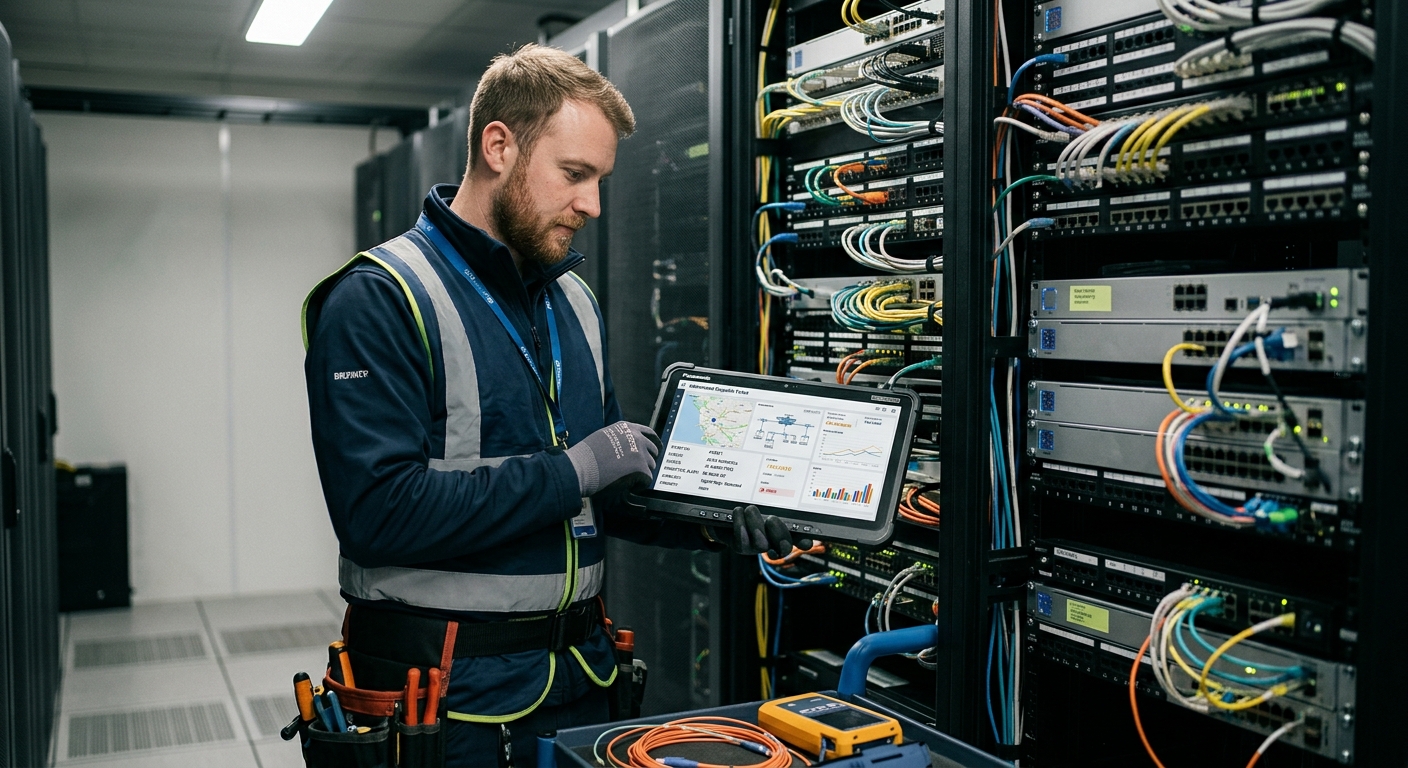
Instead, it initiates a fully automated workflow. This intelligent workflow handles the ticket opening directly in your ERP or ISP management system. It automatically assigns the right field technician, provides the exact GPS coordinates of the failing equipment, and attaches the relevant diagnostic logs.
This seamless, hands-free process leads to a massive rework reduction. Technicians go to the field knowing exactly what to fix, instead of guessing, testing randomly, or making multiple unnecessary trips to the same location.
The Hidden Cost of Reactive Support
When an ISP operates purely on a reactive model, the hidden costs pile up incredibly fast. Every time a major fiber cut or equipment failure occurs unexpectedly, your entire NOC is thrown into chaos.
Technicians are pulled away from profitable, scheduled installations to handle urgent emergencies. This disrupts your entire daily operation and creates a backlog of angry customers waiting for their new connections. Furthermore, the lack of automated diagnostics means your team wastes precious minutes manually hunting for the root cause.
This chaotic environment increases employee burnout and skyrockets operational costs. By leveraging intelligent systems, you create a calm, predictable environment where issues are handled systematically. To understand how to turn this kind of data into a strategic advantage, check out How AI Turns ISP Network Data Into Business Decisions.
Data Sources and Prediction Logic
Where exactly does the AI get its insights? A robust predictive model relies on diverse data streams from across your entire network. The more high-quality data you feed it, the smarter and more accurate its predictions become.
- Optical Power Levels: Tracking gradual signal loss over time to predict fiber stress or connector degradation.
- Temperature Sensors: Detecting overheating in specific network nodes or routers before the hardware literally fries.
- Traffic Patterns: Identifying unusual packet loss, jitter, or sudden bandwidth drops during off-peak hours.
- Historical Logs: Learning from past outages to instantly recognize similar environmental or technical conditions.
By analyzing these variables simultaneously, the AI builds a baseline of "normal" behavior for your specific network. Anything that deviates from this healthy baseline triggers an immediate, proactive response.
Reactive vs. Proactive Maintenance
Let's clearly compare the traditional way of handling network issues with the modern, AI-driven approach. The differences in efficiency are staggering.
| Feature | Reactive Approach (Traditional) | Predictive AI Approach |
|---|---|---|
| Issue Detection | Customer calls to complain about downtime | AI detects anomaly before failure occurs |
| Ticket Creation | Manual, slow, and prone to human error | Instant ticket opening via smart APIs |
| Field Work | Multiple trips to diagnose and fix | Single trip with exact diagnostics |
| Customer Experience | Frustrated, leading to high churn risk | Impressed by proactive communication |
How to Implement Predictive AI in Your Network
You do not need a massive team of expensive data scientists to start using predictive AI. The technology has become highly accessible and scalable, especially for regional ISPs. The key to success is to start small and scale up as you see results.
First, ensure your network equipment supports basic telemetry protocols like SNMP, TR-069, or modern streaming telemetry. Next, integrate an AI layer that can read this data and create an automatic trigger for your existing management software.
If you are worried about overhauling your entire infrastructure, don't be. You can easily add AI without changing your system, using smart APIs and middleware that connect to your current ERP seamlessly.
Conclusion: Stop Waiting for the Red Light
Anticipating network outages is no longer a futuristic concept; it is a vital necessity for modern ISPs that want to survive and grow. By embracing automated monitoring and predictive AI, you ensure network stability and fiercely protect your brand's reputation in a competitive market.
The ultimate goal is serious rework reduction, lower operational costs, and happier, loyal customers. Stop waiting for the red light to blink on the router. Start predicting, automating, and resolving issues long before the phone ever rings.
Frequently Asked Questions
What is predictive AI for ISPs?
Predictive AI uses machine learning algorithms to analyze network telemetry data in real time. It identifies hidden patterns and anomalies that indicate a future hardware failure or signal degradation, allowing ISPs to fix issues proactively before customers experience any downtime.
How does automated monitoring reduce support costs?
By detecting problems early, automated monitoring prevents massive, unexpected network outages. This directly reduces the flood of incoming complaint calls to your support center, lowers the need for emergency field dispatches, and minimizes expensive overtime costs for your technicians.
Can AI automatically dispatch technicians to the field?
Yes. When the AI detects a critical anomaly, it can activate an automatic trigger. This intelligent trigger handles the ticket opening in your ERP system, attaches the diagnostic data, and can automatically dispatch the nearest available technician with the exact right tools for the job.
Do I need to replace my current network equipment to use AI?
Usually, no. Most modern OLTs, ONUs, and routers already generate the necessary telemetry data. You simply need to integrate an AI platform capable of reading this existing data and connecting it to your current management systems via standard APIs.