
Quote Recovery Agent: Automated Customer Service
Discover how a quote recovery agent uses automated customer service to reactivate unclosed estimates and boost sales for your hardware or paint store.
- Quote Recovery
- Automated Customer Service
- Business Automation
- Hardware Store AI
- Sales Conversion
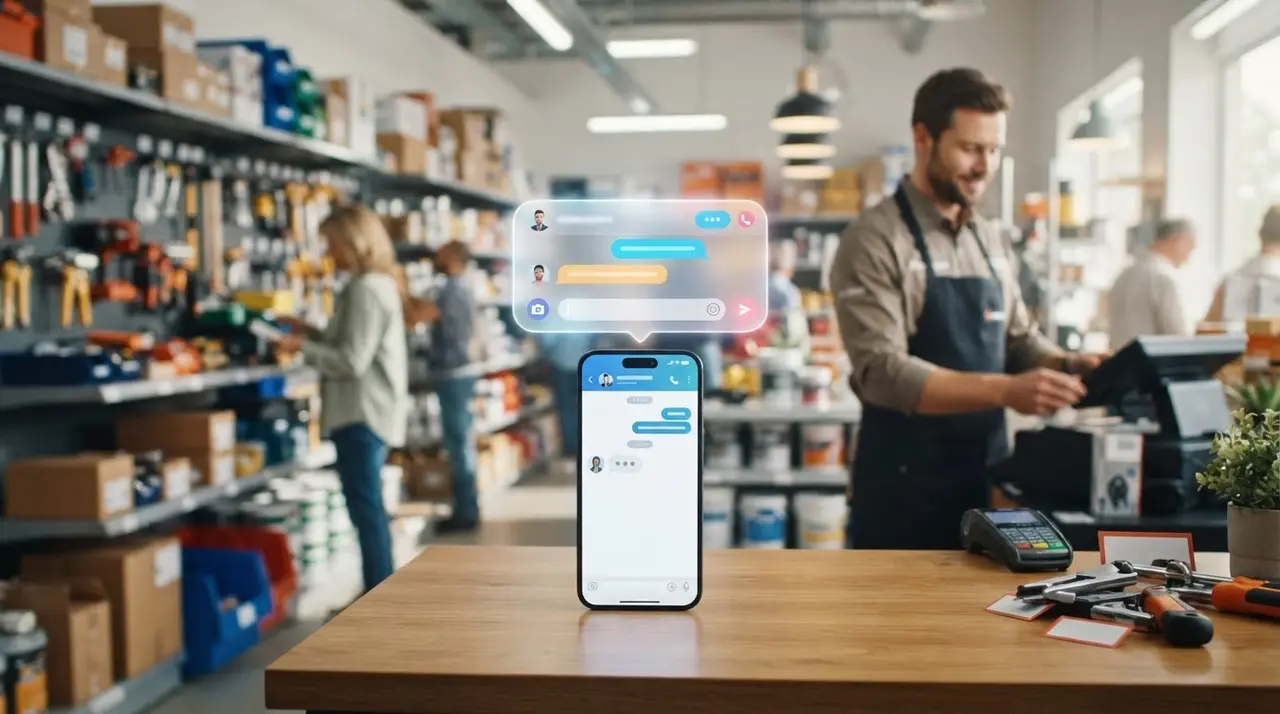
A quote recovery agent is an automated customer service tool that identifies unclosed estimates and proactively contacts hardware store customers to finalize the sale. By deploying a customer service robot, paint and construction material stores can reactivate stalled negotiations without relying on manual follow-ups. This approach ensures that every budget request receives a timely reminder, answering final doubts and offering tailored conditions to close the deal.
In the fast-paced environment of retail building materials, contractors and DIY enthusiasts often request pricing and then leave the store to compare options. Without a solid follow-up strategy, those potential sales simply disappear. Relying on busy clerks to make phone calls is inefficient and usually falls to the bottom of their priority list.
Implementing an intelligent system changes this dynamic entirely. It works silently in the background, ensuring no opportunity is wasted. Let us explore how this technology can transform your daily operations and significantly increase your closing rates.
How Business Automation Recovers Lost Quotes
Business automation systematically tracks and re-engages customers who requested a quote but never replied. When a customer walks away with a printed or emailed estimate, the clock starts ticking. If your store relies purely on hope, you are losing money to competitors who follow up faster.
An automated agent connects directly to your existing sales software or ERP. It monitors the status of every generated quote in real-time. Once it identifies that a specific proposal has been sitting idle, it triggers a proactive outreach campaign to the buyer.
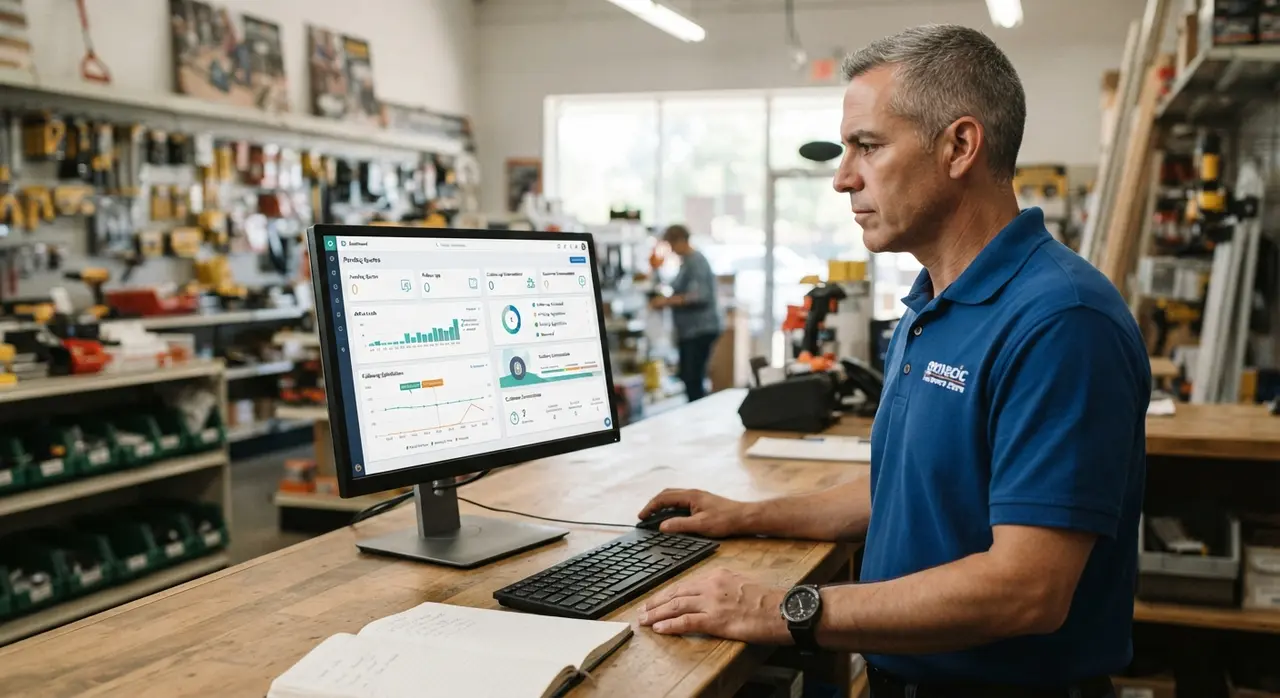
By leveraging AI solutions, the system handles the heavy lifting of communication. It can ask the customer if they need help understanding the material list or if they encountered a better price elsewhere. This proactive stance prevents potential revenue from slipping away and keeps your brand top of mind.
Setting Up Time Triggers for Automated Follow-ups
Configuring specific time delays ensures your automated customer service reaches out exactly when the customer is ready to buy. A standard hardware store quote usually has a short decision window, often tied to an ongoing renovation project. If you wait too long, the contractor will simply buy the cement or paint somewhere else.
To maximize conversions, you need to map out a clear and strategic follow-up timeline. Here is a proven sequence for building material retailers:
- 24 hours after the quote: A gentle reminder asking if they received the estimate and if they have any technical questions regarding the products.
- 48 hours after the quote: A message offering a small incentive, such as a discount on the paint mixing service or expedited delivery.
- 72 hours after the quote: A final check-in to close the file, creating a sense of urgency regarding stock availability or upcoming price changes.
These triggers operate without human intervention. They turn business automation into an invisible but highly effective sales manager that never forgets a lead.
The Right Tone and Registry for Hardware Store Customers
A customer service robot succeeds when its conversational tone matches the practical, direct nature of contractors and DIY buyers. People buying building materials do not want overly formal or robotic interactions. They value speed, accuracy, and clear answers about stock, prices, and delivery logistics.
When setting up your recovery agent, you must use a helpful, consultative tone. Instead of a rigid "Your transaction is pending," the bot should say something like: "Hi! Did you get a chance to look at the drywall quote I sent yesterday? Let me know if you need help calculating the exact coverage."
This human-like approach builds trust and encourages the buyer to reply, even if just to negotiate. If you are wondering about the right timing for implementing this technology, looking at the signs your hardware store is ready for AI adoption can help you align your team's expectations.
Overcoming Common Sales Objections with AI
An intelligent customer service robot can instantly address standard sales objections to prevent the deal from dying. When the automated follow-up goes out, customers often reply with common hurdles like "the delivery fee is too high" or "I found a cheaper paint brand."
Instead of routing these messages back to a busy human clerk, the AI can be trained to handle them on the spot. For instance, if the objection is about price, the bot can be authorized to offer a 5% discount on the total cart if they close the deal today.
If the objection is about delivery, the bot can suggest a free store pickup option. By resolving these friction points instantly, the agent keeps the momentum going and secures the sale before the customer loses interest.
Mini-Case: Reactivating Stalled Negotiations with IAChatbot
Implementing IAChatbot for quote recovery directly reduces the number of ghosted estimates in retail operations. Consider a medium-sized independent paint store that was generating dozens of quotes daily for local painters, but only closing about 30% of them on the spot. The sales team was simply too busy serving walk-in customers to call back the remaining 70%.

By integrating IAChatbot, the store deployed a custom agent via WhatsApp. The bot automatically messaged any painter who hadn't closed within 24 hours, asking if they needed a different finish or a better payment term. The qualitative result was immediate: painters appreciated the quick, unobtrusive follow-up via text.
This led to a significant drop in abandoned quotes and an improved relationship with repeat contractors, who felt the store was actively supporting their projects.
Comparing Manual vs. Automated Quote Recovery
Automated customer service outperforms manual follow-ups by guaranteeing immediate, consistent responses to every pending estimate. Human staff will inevitably prioritize the customer standing in front of them over a phone call to someone who left yesterday. A bot, however, never gets distracted or overwhelmed by foot traffic.
To understand the operational impact, here is a breakdown of how both approaches handle unclosed estimates in a busy retail environment:
| Feature | Manual Follow-up | Automated Customer Service |
|---|---|---|
| Response Time | Inconsistent, depends heavily on store traffic | Instant and strictly scheduled by the system |
| Consistency | Often skips low-value quotes due to lack of time | Follows up on 100% of quotes, regardless of size |
| Scalability | Limited by the number of active sales clerks | Handles thousands of chats simultaneously |
| Cost per Contact | High (labor-intensive and time-consuming) | Very low (software-driven automation) |
Reviewing other cases of AI in customer service and sales clearly shows that this level of consistency is the main driver of revenue growth in the building materials sector.
Frequently asked questions
What is a quote recovery agent?
A quote recovery agent is an AI-powered customer service robot that automatically follows up on unclosed estimates. It contacts the buyer via channels like WhatsApp to answer remaining questions, overcome objections, and encourage them to finalize the purchase.
How does automated customer service know when to follow up?
Automated customer service relies on time triggers connected to your sales software or ERP. If a quote is marked as pending for a specific period, such as 24 or 48 hours, the system automatically dispatches a pre-written, contextual message to the customer.
Will a customer service robot annoy my hardware store clients?
Not if it is programmed with the right tone and cadence. By keeping messages helpful, brief, and offering real value—like answering technical doubts about materials or offering a small discount—the robot acts as a helpful project assistant rather than a spammer.
Can business automation handle complex building material quotes?
Yes, business automation can handle complex quotes by pulling data directly from your management system. The agent can reference specific items, like cement brands or custom paint colors, making the conversation highly relevant and personalized to the buyer's project.