
WhatsApp Business for SDRs: Increase WhatsApp Sales
Learn how to structure your SDR routine on WhatsApp Business to increase sales. Discover proven cadences, qualification tips, and seamless closer handoffs.
- WhatsApp Business
- Sales Development
- Lead Qualification
- B2B Sales
- Sales Automation
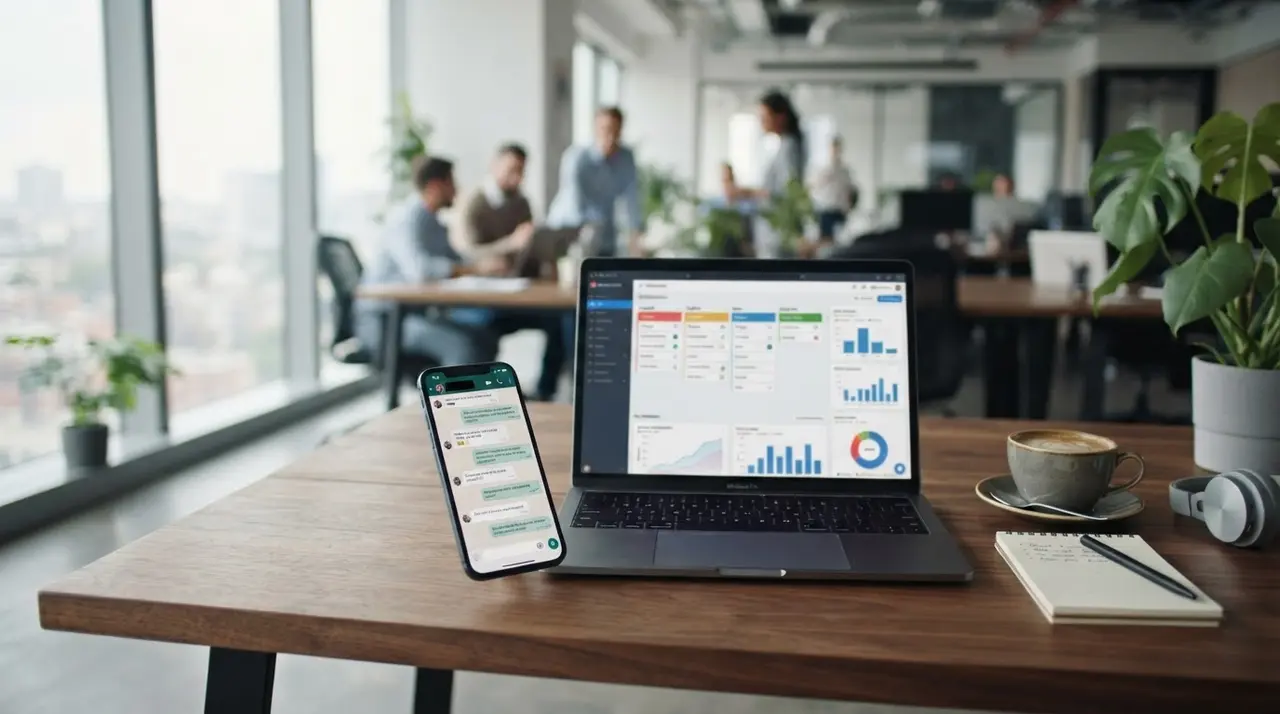
Using WhatsApp Business for SDR prospecting is a direct sales strategy that leverages instant messaging to qualify leads, schedule meetings, and increase WhatsApp sales. This approach allows a WhatsApp for sales team to bypass ignored emails and connect with decision-makers where they are most active. By integrating this channel into daily routines, Sales Development Representatives (SDRs) can drastically reduce the time it takes to move a prospect from initial contact to a booked meeting.
While cold calling and email sequences still have their place, messaging apps have fundamentally changed buyer behavior. Decision-makers check their phones dozens of times a day, making instant messaging the fastest way to get a yes or a no. However, treating this channel like a traditional email inbox is a recipe for being blocked.
To succeed, SDRs must adapt their communication style. The platform demands brevity, relevance, and a highly conversational tone. In this guide, we will break down the exact routine, cadences, and strategies that turn simple chats into qualified meetings.
The Modern SDR Routine on WhatsApp Business
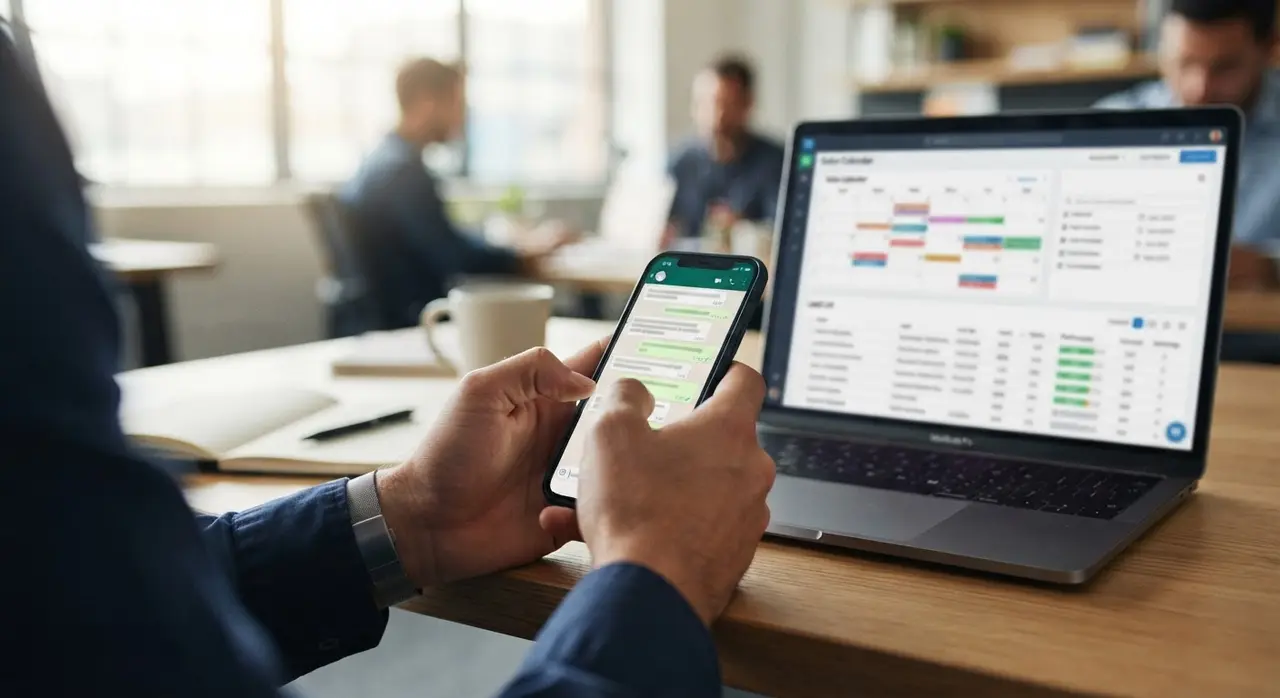
The modern SDR routine on WhatsApp relies on structured messaging, rapid qualification, and seamless CRM integration to secure meetings. Gone are the days of manually dialing hundreds of numbers with zero context. Today, a successful SDR uses a multi-channel approach where messaging acts as the primary accelerator for conversations.
A typical day starts with prioritizing inbound leads and warm outbound targets. Instead of blasting generic pitches, the SDR reviews the prospect's recent interactions with the company. Did they download an ebook? Did they attend a webinar? This context is crucial for crafting the first message.
- Initial Outreach: Sending a highly contextual first message within minutes of an inbound lead's action.
- Active Qualification: Using lightweight, open-ended questions to determine if the prospect fits the ideal customer profile.
- Objection Handling: Quickly addressing concerns via text or short voice notes to build trust.
- Meeting Scheduling: Sending a direct calendar link once buying intent is confirmed.
By keeping the entire process within a single chat thread, the friction of scheduling is virtually eliminated. Prospects don't have to switch to their email to find a calendar link; everything happens in real-time.
Crafting Prospecting Messages That Generate Meetings
Effective prospecting messages on WhatsApp are short, highly personalized, and focus immediately on solving a specific business pain point. Unlike emails, which can afford to be longer and more formal, a chat message must capture attention within the first two lines. The goal is to start a conversation, not to pitch the entire product at once.
A common mistake is sending "walls of text." When a prospect sees a massive block of text on their screen, their immediate reaction is to ignore it. Instead, break your outreach into conversational bites. Use formatting like bold text to highlight key metrics or specific problems your product solves.
Consider this framework for an outbound message: Context + Problem + Soft Ask. For example: "Hi Sarah, saw your team is expanding the sales department this quarter. Are you currently facing bottlenecks with lead response times? I have a brief idea that might help." This approach is non-threatening and invites a simple reply.
WhatsApp Cadence and Follow-up Strategy
A strategic multi-touch WhatsApp cadence increases response rates by spacing out follow-ups without being intrusive. SDRs must balance persistence with respect for the prospect's personal space. Sending messages every single day will quickly lead to a blocked number and a damaged brand reputation.
A successful cadence mixes different types of media. If a text message goes unanswered, a short, 30-second voice note can humanize the outreach and grab attention. Sharing a quick, relevant image or a one-page PDF case study can also reignite a stalled conversation.
Below is an example of a balanced, non-intrusive cadence designed for B2B prospecting:
| Touchpoint | Timing | Format | Message Objective |
|---|---|---|---|
| Step 1 | Day 1 | Text Message | Establish context and ask a single qualifying question. |
| Step 2 | Day 3 | Voice Note | Provide brief value and humanize the connection (max 30s). |
| Step 3 | Day 6 | Resource Drop | Share a relevant case study or article with zero pressure. |
| Step 4 | Day 10 | Break-up Text | Politely close the file, leaving the door open for future contact. |
By following a structured cadence, SDRs ensure that no lead falls through the cracks while maintaining a professional distance. Integrating these cadences with smart AI solutions can even automate the initial touchpoints, freeing up the human team for complex objection handling.
Handoff: Connecting SDRs and Closers
A smooth handoff from an SDR to a closer requires logging all WhatsApp interactions in the CRM and providing a clear meeting context. The transition must feel invisible to the prospect. If an Account Executive (AE) jumps on a discovery call and asks the exact same questions the SDR already answered via chat, trust is immediately broken.
To prevent this, the SDR must summarize the chat qualification before the meeting occurs. This summary usually includes the prospect's core pain point, their current tech stack, and their timeline. This information should be attached directly to the calendar invite and logged in the CRM.
Furthermore, the SDR should introduce the AE within the chat itself. A simple message like, "I've scheduled our call for Tuesday. My colleague John, our senior consultant, will be leading the conversation and looking into your specific integration needs," sets the right expectations. This level of professionalism helps increase WhatsApp sales by ensuring a high show-up rate.

Mini-Case Study: Scaling B2B Tech Sales
Automating the initial WhatsApp qualification allows SDR teams to focus exclusively on closing meetings with sales-ready leads. Consider a mid-sized B2B software company that struggled with slow response times to inbound leads. Their SDRs were overwhelmed with unqualified inquiries, leaving them little time to focus on high-value prospects.
By implementing IAChatbot, they completely transformed their sales funnel. The AI was programmed to handle the first three qualifying questions automatically whenever a lead initiated a chat. If the lead matched the ideal customer profile, the bot instantly offered a calendar link to book a meeting with a human SDR.
The qualitative results were immediate. The sales team reported a massive reduction in wasted calls, and the SDRs felt more motivated as their calendars filled with genuinely interested prospects. This real-world application proves that exploring different use cases of AI in sales and support can fundamentally change a company's revenue trajectory.
CRM Logging and Compliance for Sales Teams
Logging all WhatsApp interactions in the CRM ensures data integrity and provides better sales forecasting for management. When a WhatsApp for sales team operates outside the CRM, valuable data is lost, making it impossible to track conversion rates accurately. Shadow IT—where reps use their personal numbers to close deals—is a massive risk for modern businesses.
Using the official API is the only way to ensure compliance and scalability. It allows businesses to connect their messaging channels directly to CRMs like Salesforce, HubSpot, or Kommo. Every message sent and received is automatically logged under the contact's record.
This automatic logging is crucial for SDRs. It eliminates hours of manual data entry at the end of the week. Management gains real-time visibility into outreach volumes and message quality, allowing them to coach underperforming reps effectively and duplicate the strategies of top performers.
The Future of Prospecting
Mastering this instant messaging channel is no longer optional for SDRs who want to consistently hit their quotas and drive revenue. It is the most direct line to modern buyers, offering unparalleled open and response rates compared to traditional email.
By respecting the platform's conversational nature, utilizing smart cadences, and ensuring seamless CRM integration, sales teams can build a predictable pipeline. The key is to blend human empathy with smart automation, ensuring that every prospect feels heard, valued, and ready to take the next step.
Frequently asked questions
How can an SDR use WhatsApp without being blocked?
An SDR can avoid WhatsApp bans by using the official API and only messaging opted-in leads. Sending highly personalized, relevant messages rather than bulk spam also keeps spam reports low and protects your number.
Should SDRs use personal numbers for WhatsApp Business?
No, SDRs should never use personal numbers for corporate prospecting. Using personal numbers prevents the company from logging data in the CRM, creates compliance risks, and means the business loses access to the leads if the employee leaves the company.
How do you hand off a lead from an SDR to a closer on WhatsApp?
You hand off a lead by summarizing the qualification data in the CRM and formally introducing the closer in the chat. The SDR should set clear expectations about who will lead the upcoming meeting and what will be discussed.
Can you automate the SDR qualification process on WhatsApp?
Yes, you can automate the initial qualification process using AI chatbots connected to the official API. These bots can ask BANT (Budget, Authority, Need, Timeline) questions and route qualified leads directly to an SDR's calendar.