
AI Back-Office Agent for Vet Clinics: Records & Billing
Discover how a back-office AI agent handles EMR updates, overdue payment billing, and automated pet recall scheduling for modern veterinary practices.
- Veterinary AI
- Commercial Automation
- Customer Acquisition
- Clinic Management
- Back Office Agent
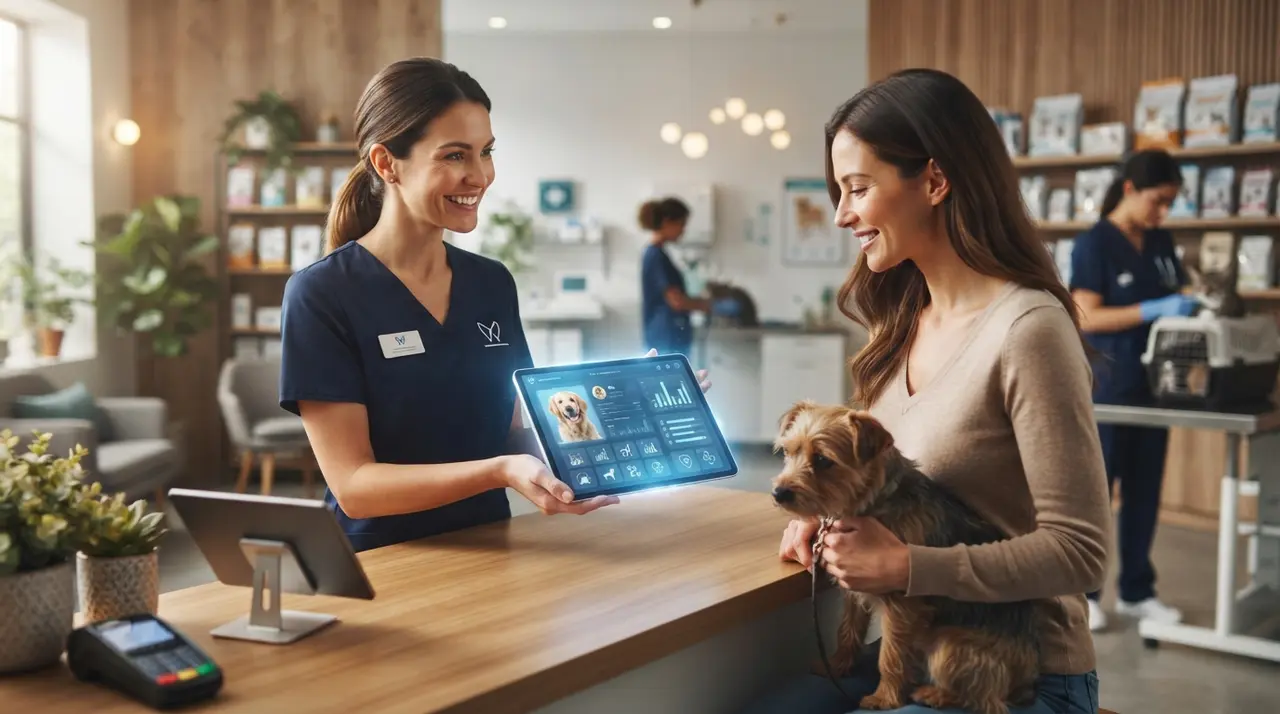
A back-office AI agent for veterinary clinics is an automated intelligence layer that synchronizes medical records, processes billing reminders, and schedules pet return visits directly within practice software. By eliminating administrative friction, this powerful form of commercial automation improves operational efficiency, reduces uncollected invoices, and supports long-term customer acquisition.
For small and medium-sized neighborhood pet shops and veterinary clinics, daily routine tasks frequently pull staff away from direct pet care. Receptionists split time between answering calls, chasing overdue payments, entering consultation notes, and remembering which pets need annual vaccination boosters. When administrative backlogs grow, patient care continuity drops and revenue leaks through unbilled services and forgotten appointments.
Deploying a dedicated back-office commercial agent solves these challenges by connecting core data sources to intelligent automated workflows. Instead of relying on manual entry, the AI engine monitors system triggers continuously, ensuring no medical follow-up or pending bill slips through the cracks.
How Back-Office Automation Transforms Veterinary Practice Management
Integrated back-office automation eliminates administrative bottlenecks by centralizing clinical documentation, billing triggers, and patient follow-up workflows into a single intelligent engine. Rather than replacing human staff, the system handles repetitive backend data flows so veterinarians and clinic managers focus entirely on diagnostic care and client relationships.
Neighborhood veterinary clinics often operate with lean teams where every employee wears multiple hats. When receptionist desks get busy with walk-ins and phone inquiries, tasks like updating medical charts, confirming upcoming consultations, and following up on unpaid balances are postponed. Over time, these delayed administrative actions accumulate into significant financial and operational strain.
By leveraging a modern 2026 veterinary automation stack, clinic managers automate critical data movement between management platforms and patient messaging channels. The back-office agent functions as a tireless administrative coordinator, operating 24/7 behind the scenes.
Managing Electronic Health Records with Intelligent Data Ingestion
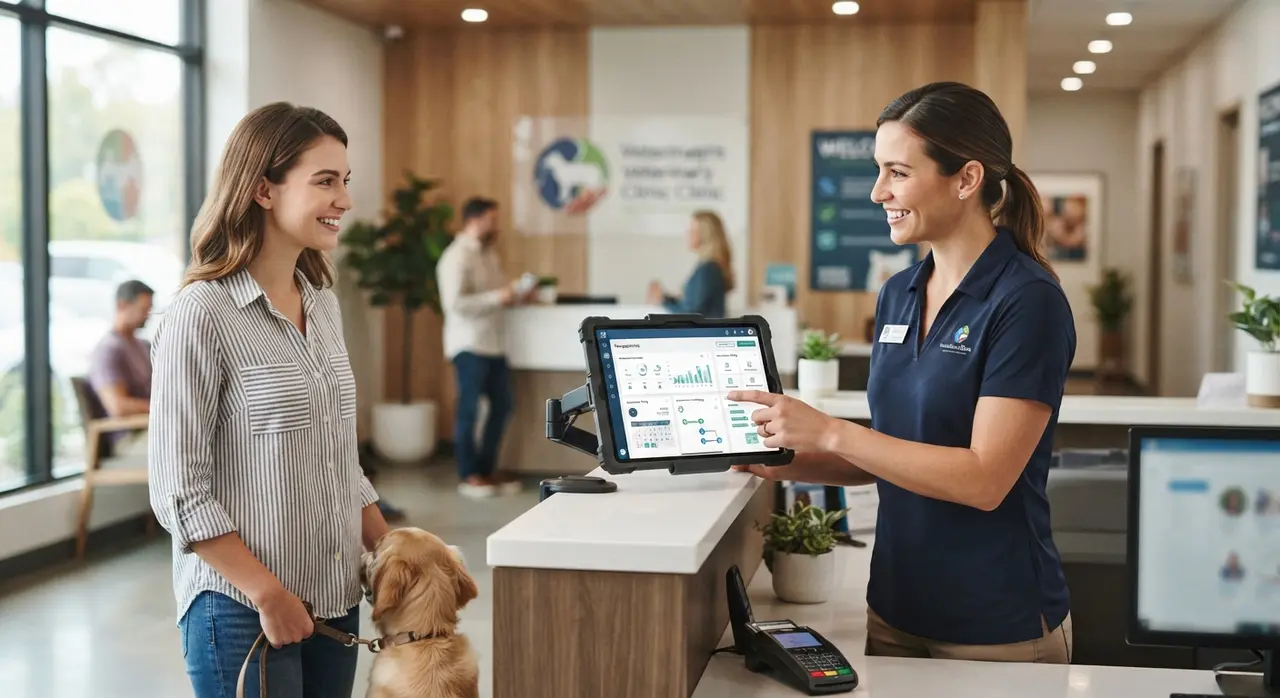
AI back-office agents automatically extract clinical notes, update patient files, and flag critical health alerts without requiring manual data entry from veterinarians. By structuring unstructured consultation data into organized electronic health records (EHR), the agent maintains pristine patient histories across every visit.
Veterinarians routinely record quick notes during consultations, exams, and surgical procedures. Translating these raw notes into complete, standardized medical records often requires hours of tedious typing after clinic hours. The back-office agent ingests consultation summaries, categorizes treatments administered, and updates inventory levels automatically.
Key data ingestion capabilities include:
- Automatic Record Updating: Syncs clinical diagnoses, prescribed medications, and dosage schedules directly into the clinic management database.
- Critical Health Alerts: Highlights missed vaccine boosters, allergies, or pending laboratory results for immediate follow-up.
- Multi-Channel Data Sources: Captures information from lab software, digital prescription forms, and direct messaging conversations with pet owners.
Clean, structured records form the foundation for accurate future diagnostic care and effective client retention programs.
Automating Collections and Reducing Unpaid Veterinary Invoices
Automated payment reminders sent via WhatsApp reduce unpaid vet bills by maintaining polite, timely communication with pet owners regarding outstanding balances. Uncollected accounts receivable represent one of the primary cash flow challenges for independent veterinary practices.
Asking clients for overdue payments can feel uncomfortable for front-desk staff, often leading to delayed billing efforts. A back-office commercial agent neutralizes this tension by managing polite, automated billing sequences triggered by specific account conditions. The system sends personalized messages containing direct payment links, invoice breakdowns, and clear payment deadlines.
Automated billing workflows operate across distinct triggers:
- Immediate Post-Consultation Invoicing: Automatically generates and sends payment links right after treatment completion for seamless checkout.
- Gentle Overdue Reminders: Triggers respectful follow-up messages at 3, 7, and 15 days past due for unpaid balances.
- Structured Payment Arrangements: Offers self-service installment options for high-cost surgical or emergency procedures.
Practices implementing automated billing capture outstanding revenue faster while maintaining positive, professional relationships with pet owners.
Proactive Pet Recall Systems for Maximum Retention
Automated return scheduling tracks vaccination dates, post-surgery checkups, and chronic treatment schedules to ensure pet owners book timely follow-up appointments. Regular return visits form the core of predictable clinic revenue and effective preventative animal healthcare.
Without automation, receptionists must manually review spreadsheets or calendar software to identify which pets are due for annual rabies shots, heartworm prevention, or post-operative re-examinations. Consequently, thousands of dollars in routine care revenue are lost every month simply because pet owners forget to schedule appointments.
The following table illustrates the operational differences between traditional manual recall processes and AI-driven commercial automation:
| Operational Aspect | Manual Recall System | AI Commercial Automation |
|---|---|---|
| Recall Scheduling | Staff manual spreadsheet search | Automated database trigger based on EMR dates |
| Client Communication | Time-consuming individual phone calls | Instant personalized WhatsApp messaging |
| Follow-Up Tracking | Frequently forgotten during rush hours | Consistent automated retry sequences |
| Conversion Rate | Low (15% - 25% rebooking rate) | High (55% - 75% rebooking rate) |
| Staff Hours Required | 10-15 hours per week | Zero manual hours required |
Automated recall engines turn passive client databases into active drivers of continuous customer acquisition and recurring consultations.
Case Study: How Small Vet Clinics Scale Revenue with IAChatbot
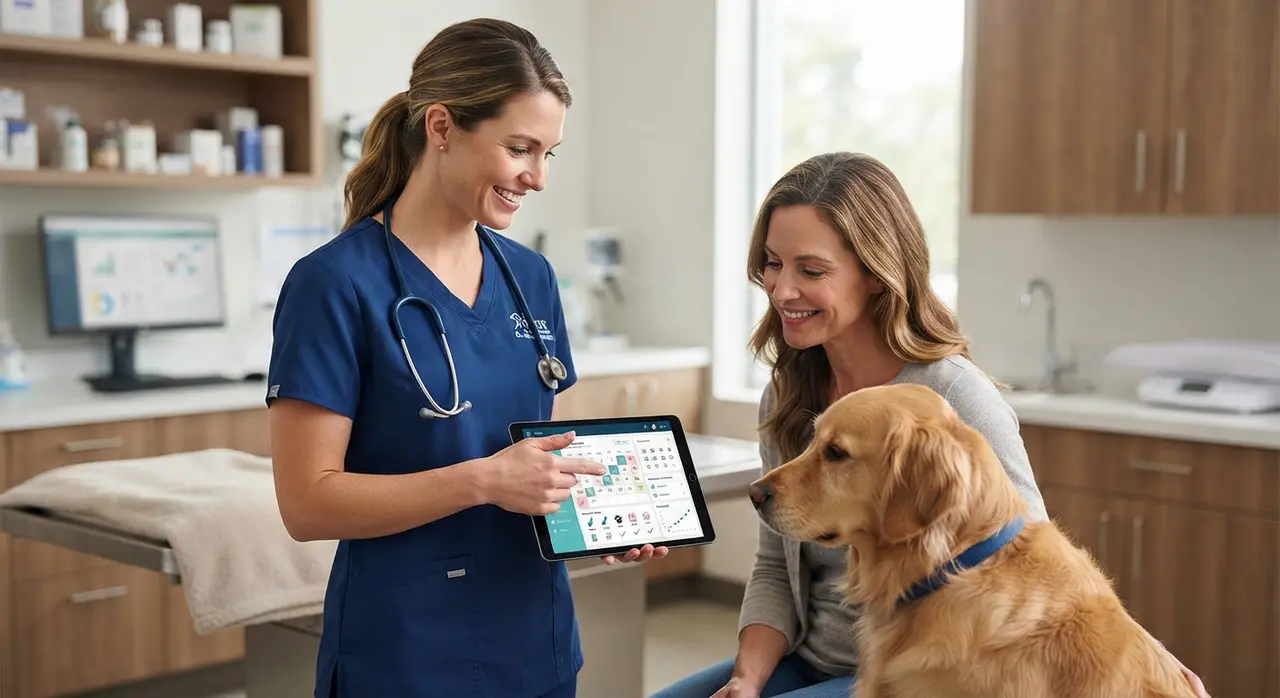
Implementing a specialized AI agent enables neighborhood veterinary practices to reclaim lost consultation hours while boosting client retention. Small and medium-sized clinics experience immediate operational gains when back-office management is fully automated.
A neighborhood veterinary practice running a busy clinic and pet shop struggled with high billing default rates and a low 20% annual vaccine booster return rate. Front-desk staff were overwhelmed with in-person client check-ins, leaving over 150 monthly follow-up calls unmade. Administrative errors in record-keeping caused inventory mismatches and unbilled medication charges.
By integrating customized tailored AI automation solutions from IAChatbot into their practice management system, the clinic transformed its back-office operation within 30 days. The AI agent automatically synced daily clinical records, initiated instant payment workflows for past-due balances, and executed direct WhatsApp return reminders based on EHR vaccine due dates.
The results were transformative:
- Reduced Inadmissibility: Overdue invoices decreased by over 60% within the first two months.
- Increased Patient Retention: Annual booster check-up bookings increased by 48% through automated recall sequences.
- Reclaimed Time: Receptionists saved over 12 hours per week, allowing them to deliver superior in-person customer service.
Key Integrations and Technical Architecture for Vet Back-Office AI
A robust back-office agent relies on seamless API integration between practice management software, messaging channels, and payment gateways. Without deep technical integration, automation platforms create data silos that increase administrative confusion.
Modern back-office agents connect directly with clinic management software, webhooks, and official messaging platforms like the WhatsApp Business API. When a veterinarian updates a patient file, the update broadcasts across the entire system instantly. Payment webhooks automatically mark invoices as paid, while calendar webhooks reserve appointment slots real-time.
To explore real-world implementation architecture across different service industries, review our practical AI use cases detailing system triggers, database syncs, and workflow setups.
Frequently Asked Questions
Frequently asked questions
What is a back-office AI agent for vet clinics?
A back-office AI agent is an intelligent automated system that connects directly with veterinary software to handle background tasks. It updates electronic medical records, sends payment reminders for overdue bills, and schedules patient return visits automatically. This eliminates manual data entry and keeps clinic operations running smoothly.
How does commercial automation prevent missed pet follow-ups?
Commercial automation monitors treatment dates and vaccination schedules stored in medical records. When a return visit or booster shot is due, the system automatically sends personalized reminders to pet owners via messaging channels like WhatsApp. This proactive communication ensures owners book follow-ups without manual staff intervention.
Can an AI commercial agent integrate with existing veterinary software?
Yes, modern AI back-office agents integrate seamlessly with existing practice management software, billing platforms, and messaging systems using secure APIs. This allows data to flow automatically between your database and client communication channels without replacing your core software.
How does automated billing handle sensitive pet owner communications?
Automated billing uses gentle, highly personalized messaging sequences tailored to the clinic's brand tone. Reminders include clear invoice breakdowns and direct digital payment options, allowing clients to resolve outstanding balances conveniently while maintaining a positive relationship with your practice.